Saudi Economic Development Collides with War & Declining FDI
Navigating Economic Transformation Amid Heightened Geopolitical VolatilityIn This News
Quick links to sections in this news.
Outside a Riyadh exhibition centre, an energy summit drew many oil and gas executives, while foreign diplomats faced a potential missile threat aimed at the capital. Inside, attendees were preparing for an address by Saudi Energy Minister Prince Abdulaziz bin Salman.
Saudi Arabia has experienced a significant increase in missile and drone attacks from the Iran-aligned Houthi militia in Yemen, resulting in at least 17 deaths and hundreds of injuries at King Khalid International Airport in Riyadh.
In response, the airport has suspended commercial operations. The attacks disrupted the WPC Energy Congress, forcing delegates, including executives from major oil companies, to reroute or cancel their attendance.
Saudi Arabia Signals Resilience Ahead of Summit
Saudi officials are maintaining a demeanour of calm at the conference, continuing until Friday, despite existing threats. Prince Abdulaziz asserted on Monday, “The word ‘fear’ in the Saudi dictionary does not exist.”
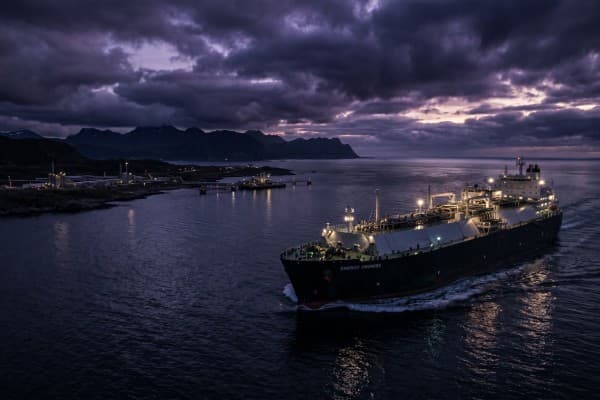
The ongoing war in Iran, now eight months in, has significantly disrupted the economic and security dynamics in the Middle East. Key ports in the UAE have become battlegrounds, impacting global trade, while Qatar's advanced liquefied natural gas facilities have suffered severe damage. Saudi Arabia, as the region's primary oil producer, has faced considerable challenges during this period.
Moreover, the Saudis faced significant challenges in exporting oil through the Strait of Hormuz due to Iranian control, leading them to redirect exports via a Red Sea pipeline, which was then attacked by Iran-backed militias.
Despite these costly adaptations, Saudi Arabia and its oil giant, Saudi Aramco, continued to profit from surging oil prices. Recent strikes highlighted the escalating risks to Saudi Arabia’s regional security and its ambitions to become a major global finance centre.
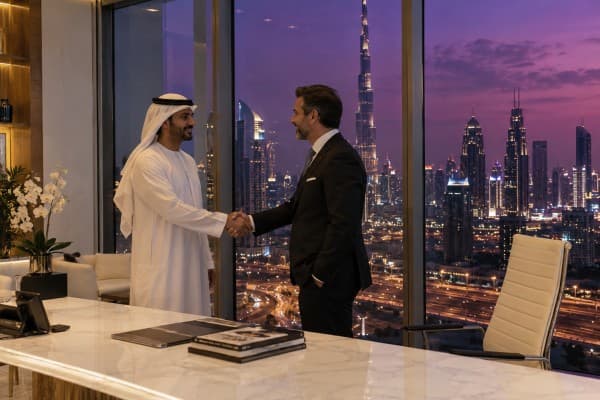
Iran’s missile and drone attacks have created challenges for the Emirates, particularly Dubai, known as a business haven. These attacks target countries in the Persian Gulf, where U.S. military bases are located.
Meanwhile, Riyadh is set to host the Crown Prince's annual investment summit, the Future Investment Initiative, which attracts global leaders and financial firms seeking major investment opportunities.

Security Concerns and High-Level Absences Shadow Riyadh Summit
The conference serves as a platform for Prince Mohammed’s Vision 2030, aimed at diversifying the Saudi economy beyond oil into sectors like trade, sports, technology, culture, and tourism. Organisers confirmed that the conference would proceed with promised security measures, while recent events at the WPC Energy Congress highlighted the risks associated with the investment conference.
Remarkably, Darren Woods of Exxon Mobil and Meg O’Neill of BP did not attend the investment summit, while key officials like U.S. energy secretary Chris Wright participated via video link. Uncertainty remains about whether other prominent executives will feel safe enough to attend the summit scheduled for Oct. 26-29.
Furthermore, the WPC Energy Congress, initially set for April, was postponed due to military strikes by the United States and Israel against Iran on Feb. 28, escalating regional conflict. This congress, which began in the 1930s as the World Petroleum Council, occurs every three years and is being hosted by Saudi Arabia in Riyadh, approximately 10 miles from the international airport.
Riyadh Maintains Major Events to Shield Investment
Analysts noted that maintaining the schedule of major events amid regional attacks serves both economic and security purposes for the kingdom. Yousef M. Alshammari, president of the London College of Energy Economics, emphasised that continuing the agenda is crucial for sustaining confidence, which is essential for attracting foreign investments.
Besides, analysts highlight a strategic imperative beyond economic concerns regarding the cancellation of flagship events in Riyadh. Neil Quilliam, an energy policy expert, notes it could undermine investor confidence and grant the Houthi groups a psychological victory, signalling successful disruptions to Saudi Arabia's transformation and international standing.
However, Quilliam warns that ongoing assaults could challenge the government's narrative, noting that while hosting major events reflects resilience, there are limits to its symbolic power.
The WPC Energy Congress was expected to attract over 25,000 attendees, though the actual turnout was unclear. Many participants appeared unfazed by threats of new attacks, with officials from the Persian Gulf stressing their support for Saudi Arabia, as stated by Sheikh Nawaf S. Al-Sabah of the Kuwait Petroleum Corporation.
Saudi Arabia Reaffirms Role as 'Capital of Energy Security'
Saudi Arabia aims to maintain its reputation as the world's central banker of oil by ensuring stability. Prince Abdulaziz highlighted Riyadh as the “capital of energy security,” reassuring markets of the kingdom's reliability as an energy supplier amid Middle East conflicts.
Also, he noted the quick restoration of the key East-West pipeline, which had been briefly shut down following a drone attack from Iraqi territory.
The pipeline transporting crude from Saudi Arabia's eastern oil fields to the Red Sea is vital, especially after Iran blockades the Strait of Hormuz.
Overall, Prince Abdulaziz announced plans to increase its capacity from seven to about ten million barrels per day, pointing out that energy security must be prioritised and tested under current circumstances, reflecting the importance of preemptive resilience measures.
Regent Centre provides customised In-House Training Solutions tailored to the specific goals, culture, and scheduling requirements of organisations. The programs prioritise measurable outcomes and engaging delivery by expert trainers, ensuring high-quality training for teams, no matter their location.
Read more news:
Posted On: October 15, 2026 at 08:20:44 AM
Last Update: October 15, 2026 at 08:20:44 AM
Articles You Can’t Miss
Handpicked content to fuel your curiosity.