UAE Investigates Supply Chain Resilience at Gulf Industry Summits
UAE Drives GCC Industrial Integration & Supply Chain ResilienceIn This News
Quick links to sections in this news.
The UAE aims to enhance industrial integration with Gulf states during high-level meetings in Bahrain, focused on improving supply chain resilience.
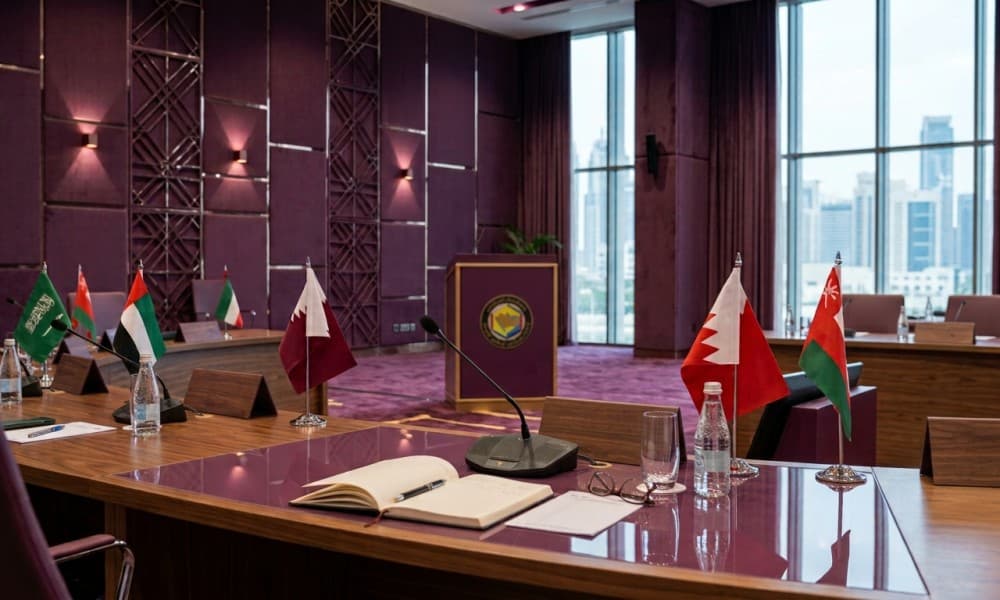
Led by Minister of Industry and Advanced Technology Dr. Sultan Al Jaber, a UAE delegation is participating in the GCC Industrial Co-operation Committee and the Ministerial Committee for Standardisation Affairs meetings.
According to the Ministry of Industry and Advanced Technology, the UAE's participation aims at enhancing industrial integration among GCC countries, developing resilient Gulf supply chains, advancing the adoption of technology and artificial intelligence in industry, and promoting private sector involvement in partnerships and joint industrial initiatives.
Ongoing meetings, starting Tuesday and lasting until Thursday, emphasise the importance of standardisation coordination.
GCC Extends Industrial Customs Exemption to 2027
Dr. Al Jaber highlighted the need for collaborative efforts aimed at enhancing the industrial sector to promote national economic diversification and reinforce the GCC's role as a pivotal centre for industry and innovation. He stated that “industrial integration is a cornerstone of Gulf competitiveness.”
Moreover, the inaugural Made in GCC Forum and Exhibition 2026 in Manama facilitated meetings focused on enhancing collaboration in investment, manufacturing, supply chains, and technology.
Key outcomes include the establishment of the Gulf Centre for the Fourth Industrial Revolution and its digital platform, aimed at improving the digital maturity of factories and supporting industrial transformation.
Additionally, the GCC Council announced an extension of the evaluation period for amended rules on exempting industrial inputs from customs duties until the end of 2027.
UAE Accelerates Manufacturing Sector Growth
The UAE is increasingly focusing on domestic manufacturing, with its industrial sector significantly contributing to the national economy—reaching Dh200 billion ($54.45 billion), a 70% increase. Industrial exports totalled Dh260 billion last year, with Dh92 billion from medium- and high-technology sectors. In 2021, the UAE initiated Operation 300bn to establish itself as a global industrial hub by 2031.
The UAE is prioritising key industries such as chemicals, machinery, food, and pharmaceuticals, while also heavily investing in advanced technology and AI.
Recently, it launched the Dh1 billion National Industrial Resilience Fund to bolster the industrial sector and introduced a national strategy aimed at securing supply chains and enhancing local production of food, medicine, and industrial goods.
The UAE's National In-Country Value (ICV) programme has infused over Dh473 billion into the national economy. Assistant Undersecretary for Standardisation Affairs, Dr. Farah Al Zarouni addressed the need for enhanced industrial cooperation within the Gulf, aiming to localise supply chains and lessen import dependence following disruptions from the Covid-19 pandemic and other global events. “We need to benefit from all resources available across the GCC countries,” she stated.
Gulf Deals Boosts Regional Manufacturing
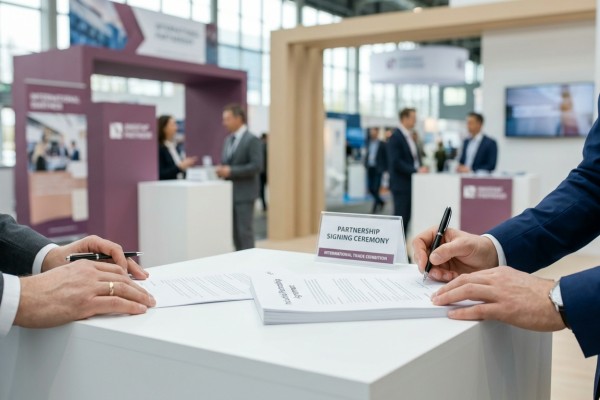
The Made in GCC event will see the signing of initial agreements between UAE entities and Gulf companies. The UAE is represented by 23 Emirati companies across various sectors such as basic industries, pharmaceuticals, defence, and spare parts.
Further, Dr. Al Zarouni underlined a shift from traditional manufacturing to advanced manufacturing, highlighting the critical role of technology in the national industrial sector.
The past six years since the pandemic have revealed the vulnerabilities associated with over-reliance on international suppliers for minor manufacturing components. Affected individuals expressed that local sourcing of essential components would have mitigated their challenges.
In closing, the current priority should be to identify which raw materials and components can be produced locally within the UAE or across the GCC. Given the complexity of supply chains, leveraging resources from all GCC countries is crucial.
Regent Training Centre specialises in Customised Coaching and practical training tailored to enhance learners' performance and help them achieve their career goals. This method promotes skill development while significantly increasing individuals' confidence, resulting in better professional outcomes.
Read more news:
Posted On: October 9, 2026 at 12:29:22 PM
Last Update: October 9, 2026 at 12:29:22 PM
Articles You Can’t Miss
Handpicked content to fuel your curiosity.