Congestion at Container Ports Breaks COVID-Era Records
A ship in harbor is safe, but that is not what ships are built for—yet when the harbors overflow, the entire world comes to a standstill.In This News
Quick links to sections in this news.
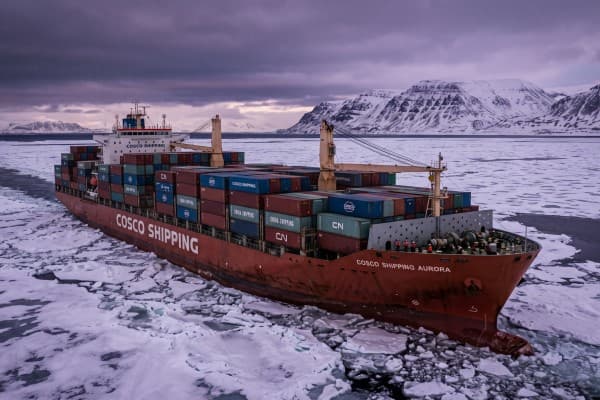
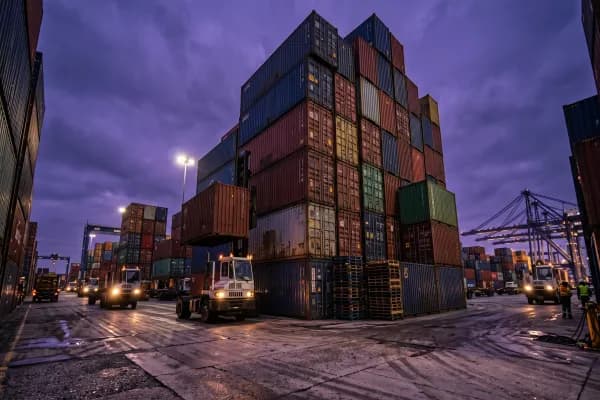
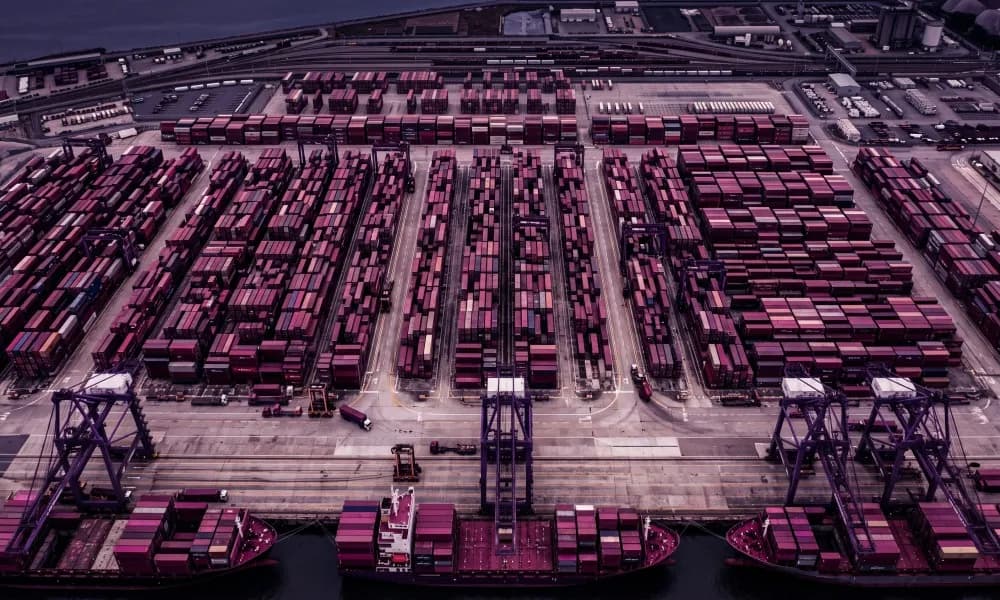
More than 4.3 million TEU of capacity has been taken out of circulation due to global container port congestion, which has surpassed levels seen during the COVID era and contributed to high freight and charter costs.
According to data from Linerlytica, 4.3 million TEU are currently waiting to berth at container ports across the globe, above the previous absolute top of 4 million TEU recorded during the pandemic earlier in the 2020s—the most lucrative decade in containerisation history.
There is a significant disclaimer attached to the comparison. Today's congested tonnage is 12.6% of the world's fleet of 34.4 million TEU, which is less than the peak of 15.7% in 2022, when the fleet was just 25.3 million TEU.
China's Port Disruptions Worsen Capacity Shortages
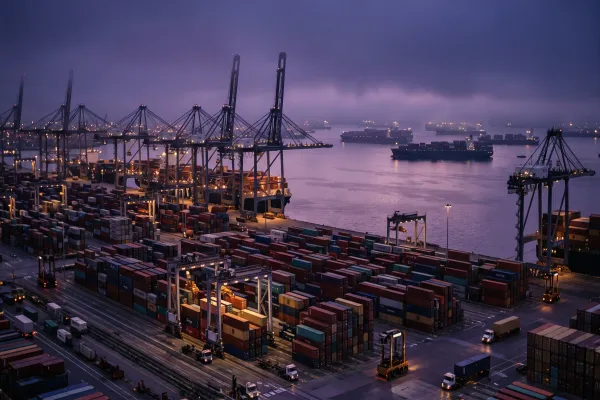
Following the disruption of Chinese port operations and vessel schedules by multiple tropical storms, East Asia is primarily responsible for the most recent surge. According to Portcast data quoted this week, 139 vessels were waiting in Shanghai and another 77 at Ningbo, both at levels not seen in 2025 or 2026.
For Gemini services, wait periods at Shanghai's Yangshan terminals have reached five or six days, while for other carriers, they can reach seven or eight days.
Meanwhile, using a separate methodology, Sea-Intelligence calculates delays are now depriving the market of almost 1.7 million TEU of effective vessel capacity. Ships are arriving five to five and a half days behind schedule on average, compared to three to four days before the epidemic, and schedule reliability is still locked at roughly 60–65%.
The Iran war and extensive interruption to regular liner networks are already inflating freight markets, and the capacity bottleneck is giving them even more support.
Freight Rates Surge Amid Global Capacity Crunch
The Shanghai Containerised Freight Index (SCFI), which increased last week to almost 3,355 points, is currently 156% greater than it was at the start of the Iran crisis, according to Linerlytica.
Additional benchmarks highlight the burden. On August 21, S&P Global's Platts Container Index surged to $7,565 per feu, its highest level of the year. Analysts cited constraints on the Panama Canal, space shortages, and delays at Asian ports due to typhoons. In a similar vein, Freightos has noted that traffic is a major factor influencing freight charges.
Besides, there will be further upheaval in Panama. As below-average rainfall necessitates new water-saving measures, the canal will reduce the number of daily transit slots available starting in September. Starting on September 3, there will only be nine Neopanamax slots available each day, and starting on September 15, there will be even fewer Panamax slots available overall.
The ensuing ship shortage is also having an impact on the containership charter market, where demand is high and tonnage is still limited.
Ultimately, to cut down on delays, Maersk has redirected cargo headed for Shanghai to alternate routes. As container demand rises, the situation underscores the increasing strain on the world's port infrastructure.
In the areas of leadership, human resources, finance, operations, and digital transformation, Regent Centre provides Corporate Consulting Services that translate difficult organisational problems into understandable, implementable strategies that support quantifiable, long-term advancement.
Read more news:
Posted On: August 26, 2026 at 11:53:12 AM
Last Update: August 26, 2026 at 12:34:14 PM
Articles You Can’t Miss
Handpicked content to fuel your curiosity.