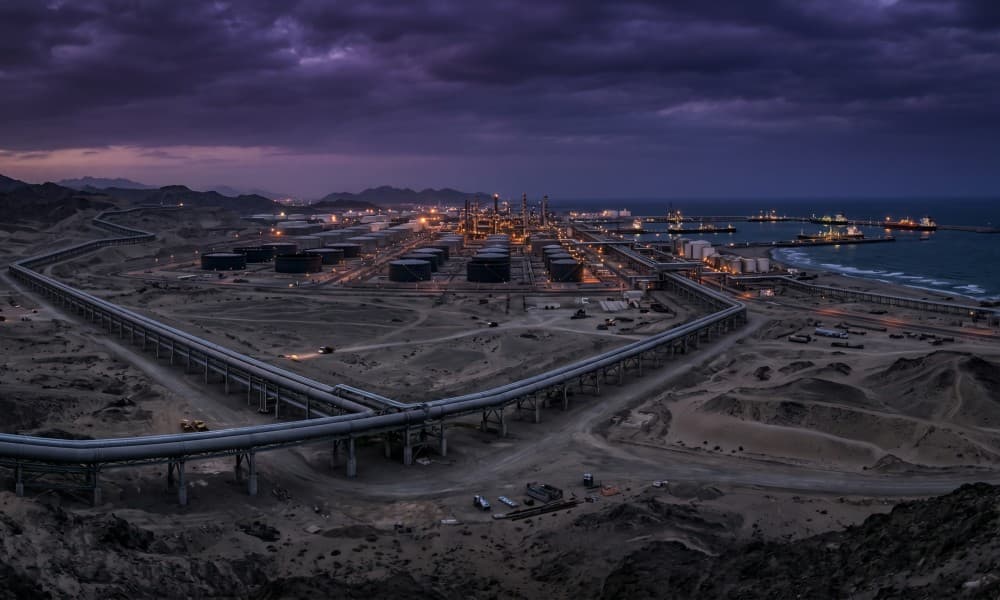
UAE's New West-East Crude Pipeline Bypassing Hormuz Nearly 50% Completed
Energy security is built through preparation, not reaction.In This News
Quick links to sections in this news.
In an attempt to safeguard petroleum exports from the ongoing disruption of one of the world's most significant shipping routes, the United Arab Emirates said its new oil pipeline, intended to avoid the Strait of Hormuz, is now over 50% complete.
Sultan Ahmed Al Jaber, CEO of ADNOC, stated that the new West-East pipeline is being pushed toward a targeted completion date of 2027 during a speech at an Atlantic Council event on Wednesday.
The pipeline will improve the UAE's capacity to export oil outside of the Strait of Hormuz via Fujairah on the Gulf of Oman.
UAE Accelerates Pipeline Amid Hormuz Blockade
Following Iran's blockade of Hormuz following U.S.-Israeli operations on February 28, the pipeline expansion follows months of significant disruption to regional maritime and energy flows.
Since the channel transports a significant portion of the world's seaborne LNG and petroleum exports, any extended blockage would directly jeopardise supply networks, tanker operations, and international energy markets.
Al Jaber explained that the UAE had made infrastructure investments outside of Hormuz because “too much of the world's energy still moves through too few choke points.”
The Abu Dhabi Crude Oil Pipeline (ADCOP), also known as the Habshan-Fujairah pipeline, is currently operated by the UAE and has the capacity to transport up to 1.8 million barrels of crude oil per day to Fujairah.
Once completed, the new pipeline is anticipated to increase ADNOC's export capacity via the Gulf of Oman port.
According to Al Jaber, the new pipeline is “almost 50% complete,” and construction is being accelerated per Abu Dhabi Crown Prince Sheikh Khaled bin Mohamed bin Zayed Al Nahyan's orders.
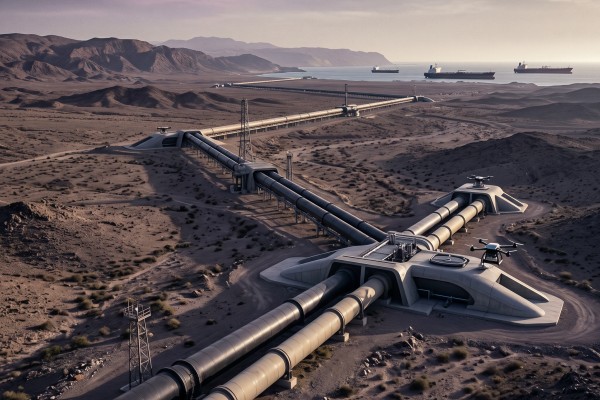
Iran's Closure Hits Global Oil Supply
Iran has restricted movement through the Strait of Hormuz to its own ships since March, leading to reduced oil exports from Gulf producers. This has increased oil prices and heightened concerns about inflation and global economic growth.
Al Jaber termed the Hormuz blockade the worst energy supply disruption ever, noting that over 1 billion barrels of oil have already been lost, with an additional 100 million barrels lost weekly for each week the Strait remains closed.
Besides, he stated that, even if the conflict ceased immediately, it would take at least four months for oil flows to recover to 80% of normal levels, with full recovery potentially not occurring until early 2027.
During the conflict, the UAE has also been directly attacked. Al Jaber claimed that over 3,000 missiles and drones targeted civilian infrastructure, including ADNOC sites, around the nation.
Conflict Drives New Gulf Export Paths
Restoring certain damaged operations could take weeks or months. The Gulf region's freedom of navigation and shipping security have become more pressing issues as a result of the conflict.
While the United States has attempted to restore the route and placed limitations on Iranian ports, Iran has previously assaulted ships near the Strait of Hormuz.
U.S. Energy Secretary Chris Wright indicated that the significance of the Strait of Hormuz may diminish as Gulf nations invest in alternative pipelines and export routes. He noted that Iran's blockade is a tactic that can be used temporarily, as other energy transportation options are emerging from the Persian Gulf.
In closing, the UAE's expedited pipeline project coincides with its recent withdrawal from the Saudi-led OPEC alliance. Al Jaber stated that this decision relates to future global energy demand and is not intended to harm relationships with other producers.
Regent Centre offers specialised Classroom Education designed to equip students with industry-relevant knowledge and skills, fostering personal and professional success while ensuring a pathway for growth and confidence.
Read more news:
- LinkedIn Clamps Down on 'AI Slop' Postings & Comments
- Smile Spacecraft Begins Mission to Reveal Earth's Hidden Magnetic Shield
- The United States is Set to Become Europe's Largest Gas Supplier, Surpassing Norway
Posted On: May 22, 2026 at 08:32:08 PM
Last Update: May 22, 2026 at 08:32:08 PM
Articles You Can’t Miss
Handpicked content to fuel your curiosity.


