Middle East Oil Tanker Threats Are at Their Worst Since the Iran War Began, Analysts Say
Red Sea attacks and Strait of Hormuz disruptions are driving oil tanker risks to their highest levels in years.In This News
Quick links to sections in this news.
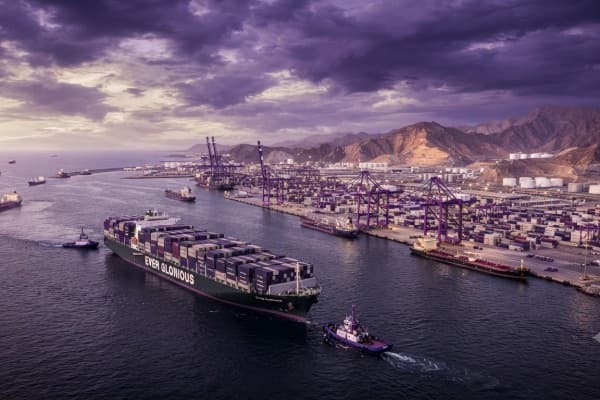
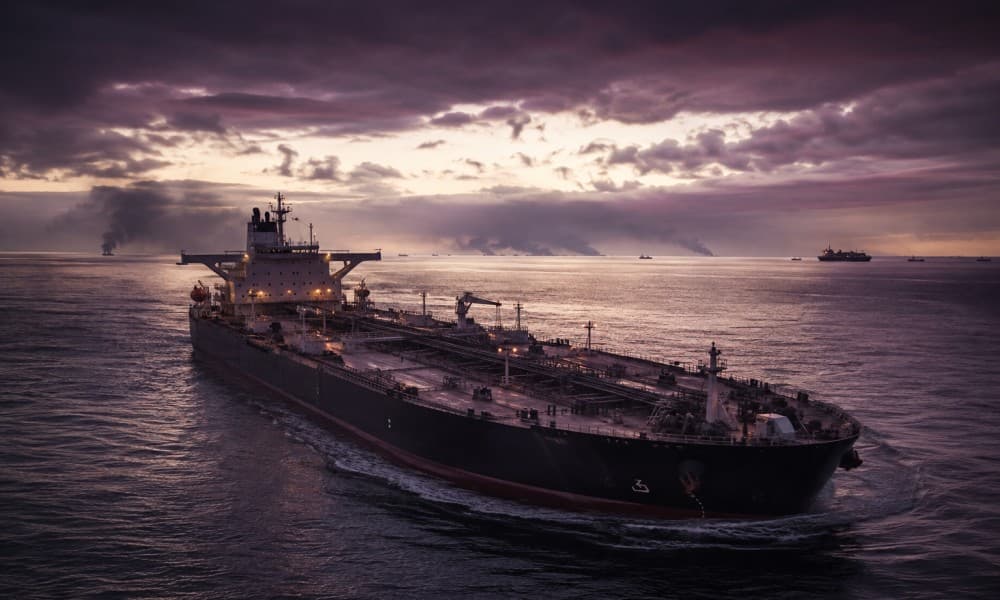
The threat to oil-carrying ships in the Middle East has escalated to its highest level since the Iran-Iraq War began, with experts citing recent attacks on vessels in the Red Sea. This area has become a critical alternative route for tankers since Iran obstructed the Strait of Hormuz.
Notably, Iran refuted Donald Trump's assertion of negotiations with the US regarding the reopening of the Strait while indicating discussions with Oman to secure the shipping lane.
An analyst at Kpler, Matthew Wright, indicates that the current threat to crude oil trade is at its worst level since the onset of the crisis.
Ship Traffic Collapses at the Strait of Hormuz
According to Kpler, the number of ships transiting the Strait of Hormuz dropped significantly to eight on Sunday and 11 on Saturday, contrasting with over 100 daily before the war. Historically, around 20% of the world's oil and gas flows through this Strait.
Besides, the temporary peace deal with the US in early June initially increased traffic, but subsequent strikes between the two countries a month later significantly reduced it. Many ships have been disabling their transponders to evade detection while crossing the Strait.
During the war, some oil tankers from Saudi Arabia used an alternative Red Sea shipping lane due to risks. However, recent Houthi attacks on these vessels have increased dangers.
On July 20, the Iranian-backed Houthi militia declared a blockade on Saudi Red Sea ports, with the UK Maritime Trade Operations reporting multiple ship attacks in the past week.
Wright highlights that the situation in the Strait of Hormuz is limiting oil flows and that an additional significant factor, previously aiding market balance, is now also compromised, exacerbating the overall issue.
Likewise, managing director of Intertanko, Tim Wilkins, pointed out that the tanker industry is confronting a worsening and complex security situation, with high-risk areas now extending to Saudi Arabian waters and parts of the Red Sea, affecting market dynamics and freedom of navigation.
Red Sea Shipping Hits War-Time Lows
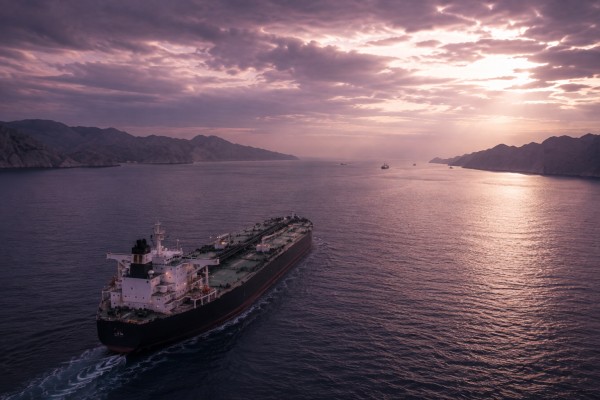
The Bab el-Mandeb Strait saw 28 commodity vessels on Saturday, six of which had their transponders off to avoid detection. The Houthi threats mainly concern Saudi shipping, affecting only about 50% of vessel traffic before the attacks. Additionally, crude oil shipments to Asia have decreased to around four per day, marking the lowest level since the war began.
Remarkably, a Hapag-Lloyd spokesperson noted that while some vessels continue to navigate the Red Sea, the company will monitor the situation and adjust its network as needed. If the Strait of Hormuz reopens, ships could exit the region quickly, but normal cargo operations would take three to four months to restore due to suspended services and redeployment of ships.
Iran has stated that no imminent deal will reopen the Strait to normal traffic, despite discussions with Oman. Foreign ministry spokesman Esmaeil Baqaei emphasised that current restrictions would remain until US “aggression” ceases.
Trump Halts Iran Strikes, Slashing Oil Prices
Kpler's Wright hinted that negotiations with Oman might yield results, contingent on US involvement, but warned they could be a “false start” without concessions from either party. Oil prices plummeted after Trump announced the cancellation of planned strikes on Iran, citing the upcoming talks.
After dropping as much as 7.3% to $81.55 per barrel earlier in the day, Brent crude was trading 4.4% lower at $84.05 per barrel.
Further, Chief analyst at Xeneta, Peter Sand, commented that ongoing conflicts have severely impacted the shipping industry, describing it as having returned to a “terrible state.” He expressed concern about the poor alternatives for transporting cargo, whether hydrocarbons or containers, indicating troubling times with no clear solutions ahead.
The expertise provided by Regent Training's Online Courses can help learners enhance their performance, achieve their career goals, and cultivate skills and self-confidence.
Read more news:
Posted On: August 5, 2026 at 09:52:48 AM
Last Update: August 5, 2026 at 09:53:27 AM
Articles You Can’t Miss
Handpicked content to fuel your curiosity.