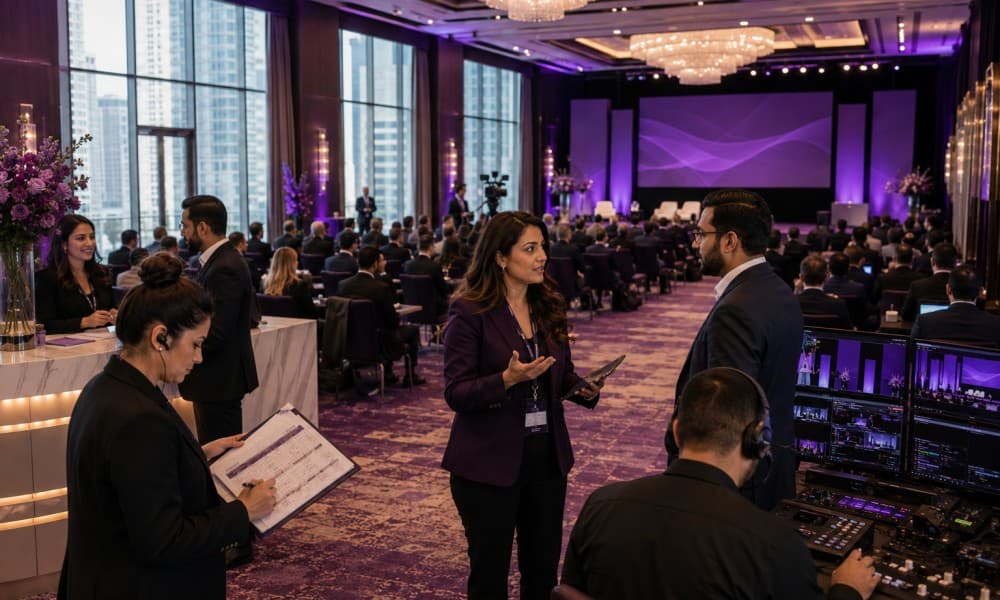
Event Management vs Event Planning: Key Differences Explained
Event management and planning are key players in creating a memorable experience. Behind every successful conference, wedding, or corporate gathering are professionals who carefully plan every detail and manage execution. Understanding both roles is essential for anyone looking to build a successful career in the events industry.In This Article
Quick links to sections in this article.
A successful event is not just about sending the right invitations to the right people. Behind every great experience is a combination of careful planning, strategic management, and seamless execution.
Event management covers all the logistics and overseeing of the execution part in events, while event planning includes the designing and organizing of events before they happen. Even though event management and event planning interact at several points and people could mix between them, but they’re actually two different processes and complete each other.
Let’s make things clearer, continue reading this outstanding article to learn all about event management vs event planning, what the differences are, required skills for an events company, and how to develop your skills in the field.
What Is Event Planning?
Event planning is the process of designing and organizing events before they take place. It involves developing concepts, selecting venues, managing budgets, coordinating suppliers, creating timelines, and arranging every detail needed in events, conferences, or weddings to create successful solutions and manage memorable experiences for attendees.
Key Responsibilities of an Event Planner:
- Understanding goals of events, weddings, & conferences.
- Creating event experiences, concepts & themes.
- Selecting venues and suppliers.
- Managing budgets of events.
- Developing schedules & timelines for corporate events.
- Coordinating invitations & guest arrangements.
- Planning logistics.
Exceptional events are never accidental—they are the result of thoughtful planning and flawless execution.
Plan Smarter TodayWhat Is Event Management?
Event management is the process of overseeing experiences and executing events from the moment preparation starts to completion. It focuses on managing teams, coordinating operations, solving challenges, supervising company activities, and ensuring all elements work together smoothly to deliver successful events, celebrations, and conferences.
Key Responsibilities of an Event Manager:
- Leading company teams.
- Managing suppliers & stakeholders.
- Supervising event operations.
- Handling unexpected challenges.
- Meeting safety & quality standards.
- Monitoring attendee experience.
- Evaluating event success after completion.
Event Planning vs Event Management: Key Differences
Professional event planning and event management have their differences. Understanding them with project management courses will help you manage corporate teams and assets and follow the best approaches to plan events, celebrations, and conferences.
| Aspect | Event Planning | Event Management |
| Main Focus | Designing and preparing events | Executing and controlling events |
| Timeline | Mostly before events | Before, during, and after events |
| Main Role | Creates the event structure | Oversees the complete process |
| Skills Needed | Creativity, organization, budgeting | Leadership, problem-solving, decision-making |
| Responsibilities | Venue, suppliers, schedules | Teams, operations, risks, attendee experience |
How Are Event Planning and Event Management Connected?
It’s time to study the work breakdown structure (WBS) for event planning and event management. We can say that they work together to transform ideas into successful events and conferences. Planning kicks off by creating the event foundation, including organizing concepts, resources, and timelines, while event management ensures smooth execution for all stages. Together, they cover the complete event journey, from the initial idea to final evaluation and attendee satisfaction. Let’s shortcut this for you:
- Event planning creates the roadmap.
- Event management brings the roadmap to life.
Keep in mind that large events often require both professionals working together to manage services effectively.
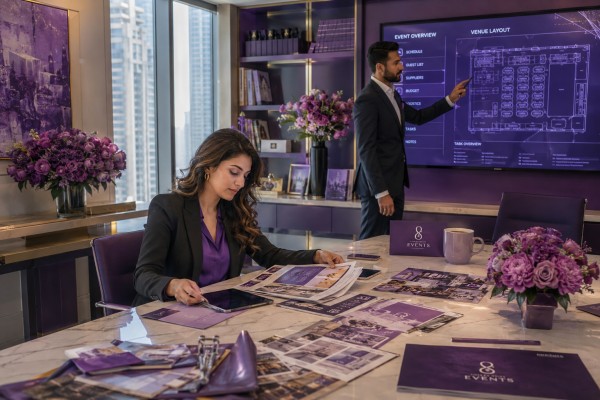
Skills Needed for Event Planning and Management Careers:
The key skills required in event planning and event management work together to deliver unique services and solutions.
- Communication Skills:
Events usually include different stakeholders and companies, so strong communication is an essential skill for event professionals to collaborate effectively with clients, teams, suppliers, and attendees.
- Leadership & Management Abilities:
Experienced professionals should have these powerful skills, including project management skills, to guide teams, make confident decisions, delegate responsibilities, avoid risk possibilities, and ensure coordination throughout different event development.
- Time Management:
Effective time management skills allow you to prioritize tasks, meet deadlines, manage team schedules, and ensure every preparation step happens as it should be and on time.
- Budget Management:
It’ll be among your responsibilities to control expenses, allocate resources, negotiate costs, oversee ticket sales, and deliver successful events and weddings while maintaining corporate financial goals.
- Negotiation Skills:
Having professional negotiation skills means you’ll get the best deal at each stage of the conference or wedding with suppliers, venues, and partners while ensuring quality and creating memorable outcomes for clients.
- Creativity and Innovation:
Let’s be honest, having unique concepts for events is a key factor in your career success and development, thus, developing innovation and creativity skills will help you succeed and make events memorable and stand out from industry competitors.
- Problem-Solving:
Whether handling unexpected challenges, making quick decisions, or maintaining smooth operations during high-pressure situations, powerful problem-solving skills are essential to help an experienced manager do all of that and more.
- Attention to Detail:
These important skills ensure every element, from schedules to decorations, is carefully managed to create a seamless and enjoyable event experience based on the highest quality standards and solutions.
Event Planning vs Event Management: Which Career Path Is Right for You?
After understanding all about event management and event planning, it’s time to explore more from a career perspective to help you choose the best career path for your skills, qualifications, and preferences.
Choose Event Planning if you enjoy:
- Creating concepts.
- Organizing details.
- Designing experiences.
- Working on creative ideas.
Choose Event Management if you enjoy:
- Leading teams.
- Managing operations.
- Making quick decisions.
- Handling challenges.
Why Study Event Management Professionally?
Going with an event management and planning training course will help you learn all about event management required details, gain a certificate, and other benefits, including:
- Growing demand for expert event professionals.
- Importance of industry knowledge.
- Learning from real-world case studies.
- Developing practical skills.
- Improving career opportunities.
Final Thoughts,
So, it’s not really event management vs event planning rather, it's two included practices that interact and compete with each other in events and conferences. Both roles work together to create unforgettable experiences for all attendees.
A professional event management course can help ambitious professionals build the skills needed to handle execution, manage opportunities, and deliver successful events.
Posted On: July 20, 2026 at 07:04:02 PM
Last Update: July 20, 2026 at 07:05:11 PM
Actually, event planning is part of event management. It focuses on preparation, while event management includes planning, execution, coordination, and evaluation.
An event planner focuses on designing and organizing event details, while an event manager oversees operations, teams, and successful event execution.
Both careers offer opportunities. Event planning suits creative professionals, while event management suits those who enjoy leadership, coordination, and operational responsibilities.
Event managers need communication, leadership, budgeting, problem-solving, negotiation, organization, and time management skills to succeed in the field.
Yes, beginners can start event management careers by gaining training, developing essential skills, volunteering, and building practical experience through internships or entry-level roles.
Articles You Can’t Miss
Handpicked content to fuel your curiosity.