Essential Event Management Skills Every Professional Needs
Effective event management requires a combination of strategic planning, leadership, creativity, and operational expertise. From corporate conferences to large-scale public events, professionals need the right event management skills to coordinate teams, manage resources, reduce risks, and deliver memorable experiences. This guide explores the essential capabilities every event professional needs, including event planning, project management, and modern coordination strategies that drive successful outcomes.In This Article
Quick links to sections in this article.
Are event management skills the ultimate secret to executing flawless corporate gatherings, high-stakes sports matches, and global industry events in today's fast-paced world? Modern businesses, international brands, local agencies, and growing startups are actively investing in structured corporate training to build highly competent planning teams. This shift is driven by digital transformation, new client expectations, and the demand for planners who can manage hybrid and virtual events seamlessly.
In this guide, we explain what essential event management skills cover, the practical delivery models professionals leverage, the massive business ROI they generate, and why mastering these attributes is vital for career growth and long-term succession planning across the corporate world.
What is an event planner's role?
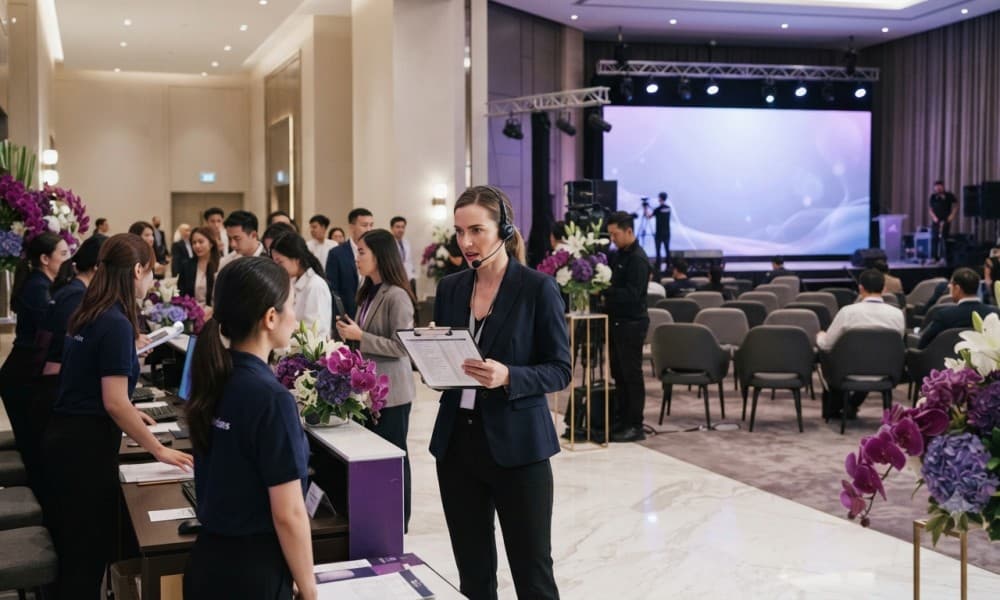
To lead an event workforce successfully, an event manager must maintain a balance between technical logistics and customer service. Today, the planner serves as the central bridge keeping guests satisfied, vendors aligned, and budgets balanced. You are responsible for ensuring that all physical and virtual aspects of an event are executed perfectly while guiding your staff to handle high-pressure situations with ease.
To succeed in this highly demanding leadership job, a professional must learn how to coordinate diverse teams. The role requires cultivating strong teamwork, building collaborative relationships, and matching individual skills with specific project goals. By focusing on detailed planning, you can easily turn regular corporate meetings into exceptional, memorable experiences.
Successful events don't happen by chance—they are the result of exceptional planning, teamwork, and leadership.
Plan with ConfidenceWhat Are the Most Important Event Management Skills?
To stand out when applying for competitive event jobs, you must build a modern, versatile skillset. Employers looking to grow their business are moving away from basic administration. They want highly skilled professionals who can master both the technical and interpersonal sides of the hospitality industry.
Here are the crucial skills you must learn to protect your brand and improve your event management skills:
- Strategic Budgeting:
Developing strong project management skills allows you to manage strict financial limits without cutting creative corners.
- Vendor Negotiation:
A successful planner relies on top-tier vendor negotiation strategies to keep production expenses balanced.
- Comprehensive Logistics:
Whether you are setting up a massive stadium concert or a local meeting room, managing physical logistics is critical to ensure things run smoothly.
- Risk Mitigation:
Modern events require preparing for unexpected situations, including evaluating digital safety risks and cybersecurity vulnerabilities for virtual platform apps.
- People Coordination:
Directing venue staff, security teams, and volunteer groups smoothly during the event coordination process prevents operational friction.
- Exceptional Creativity:
Bringing unique design concepts to life is how you build deep stakeholder engagement and memorable experiences.
- Post-Event Reporting:
Conducting structured post-event analysis and financial reporting is vital to measure overall stakeholder satisfaction and identify areas for improvement.

How Can You Improve Your Event Management Skills?
Honing your event management skills is an ongoing journey that requires continuous training, hands-on practice, and learning from experienced industry mentors.
- Enroll in Structured Education:
Taking a specialized Event Management and Planning Online Training Course is an excellent way to develop modern planning methods and master cutting-edge software tools.
- Seek Hands-On Opportunities:
Volunteer for upcoming local events to gain practical, real-world experience under pressure.
- Study Industry Publications:
Regularly read a professional industry blog or trade publication to discover new tech trends and creative design themes.
- Connect with Professional Networks:
Attend global business conferences, like upcoming September network panels, to meet senior leaders and explore new opportunities.
Why Are Event Management Skills Essential for Success?
Developing essential event management skills is the ultimate key to transforming your hospitality career and driving consistent business growth. When an organization invests in training, it builds a solid foundation for long-term success.
- Cultivating Strategic Leadership Instincts:
Mastering leadership skills ensures that you can guide diverse teams, build effective workplace relations, and achieve group objectives under tight deadlines.
- Enhancing Facility Management:
Understanding how hospitality management and facility operations work together helps you avoid costly technical errors on-site.
- Building Client Trust:
Consistently delivering flawless, high-quality experiences demonstrates your professional capabilities and helps you secure long-term contracts.
How Does Event Planning Improve Professional Events?
Without structured planning, even the smallest gatherings can descend into costly logistical chaos. Applying a step-by-step strategy ensures that every detail is accounted for.
- Structuring the Service Framework:
An organized event planning framework guides your team through the complex stages of vendor selection, site design, and guest registration.
- Securing Long-Term Career Growth:
Developing these specialized planning qualities boosts your professional resume and makes you highly competitive when you apply for senior management jobs.
- Managing Live Social Gatherings:
Whether conducting a virtual webinar or a face-to-face social gala, strict coordination keeps your team focused and prevents last-minute panic.
Why Is Project Management Important in Event Management?
Marrying analytical project planning with creative event management skills is the best way to ensure flawless execution from start to finish.
- Earning Global Credentials:
Pursuing specialized Project management certifications through global bodies like PMI validates your technical expertise and operational mastery.
- Becoming a Competent Risk Analyst:
Acting as an analytical project manager helps you identify potential supply chain bottlenecks before they impact your live event.
- Dating Back to Historical Roots:
Organizing major public events has roots dating back to BCE eras, but today's modern virtual platforms require structured, tech-driven project workflows to succeed.
Conclusion
Developing event management skills ensures long-term career success and growth. Whether you are aiming to run massive international conferences or coordinate high-profile corporate gatherings, having the right expertise will set you apart from the competition.
Do not let logistical challenges hold your career back—take control of your professional future today!
Posted On: July 18, 2026 at 10:15:22 PM
Last Update: July 18, 2026 at 10:15:22 PM
The key skills include leadership, budgeting, communication, risk management, creativity, and effective event coordination.
Event planning creates a structured approach for managing timelines, resources, suppliers, and attendee experiences.
Project management helps professionals organize tasks, control budgets, manage risks, and deliver events efficiently.
Hospitality management helps improve guest experiences, service quality, and smooth operations during events.
Event coordination ensures that teams, vendors, schedules, and logistics work together seamlessly from planning to execution.
Articles You Can’t Miss
Handpicked content to fuel your curiosity.