
Oil's Geopolitical Premium Evaporated in 2025, and May Not Return
Wars erupted. Oil barely moved.Global oil markets in 2025 demonstrated stability in the face of geopolitical events, including the Israel-Iran war and Ukraine's strikes on Russian refiners, indicating a new resilience amid energy abundance. The year was notably affected by President Donald Trump's re-election and his policy initiatives.
A significant event for energy markets occurred on June 12, when Israel targeted military, government, and nuclear sites in Iran. This was followed by the U.S. initiating "Operation Midnight Hammer" on June 22, aimed at Iran's nuclear facilities.
The Oil Trade's Geopolitical Environment
A U.S. strike on Iran has been regarded as a major risk for oil traders, as it could lead to Iran blocking the Strait of Hormuz, a crucial route for global oil and gas transportation.
The threat of a significant event would likely cause oil prices to rise sharply. However, despite the recent 12-day Israel-Iran war leading to a spike in crude oil volatility, oil prices remained surprisingly stable.
Global benchmark Brent crude futures rose from $69 to $78.85 a barrel within a week but fell back to pre-war levels by June 24 following a U.S.-brokered ceasefire between Israel and Iran, remaining below their 2025 high.
Regent Training Centre provides organised instruction, professional coaching, and practical experience that develops practical skills. It offers a concentrated setting, up-to-date materials, and individualised assistance, enabling students to develop self-assurance, enhance performance, and accomplish career objectives more effectively and clearly.
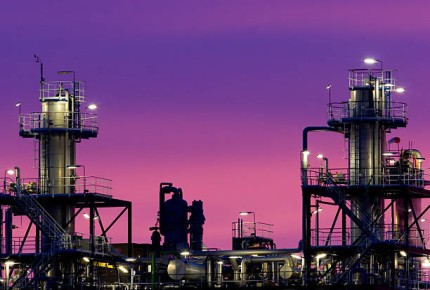
Stagnant Oil Markets
Oil futures in 2025 have fluctuated between $60 and $81, a narrower range compared to the previous year. The peak occurred in January before production increases by OPEC.
This contrasts with a significant price spike from approximately $70 in December 2021, following Russia's military buildup near Ukraine, reaching nearly $130 by March 8, shortly after the invasion, and remaining elevated for almost a year.
The 2022 oil rally was driven by anticipated sanctions on Russian oil exports, which did not occur, resulting in reduced price volatility. Despite Ukraine's attacks on Russian oil facilities in April, prices remained stable, though refining margins rose due to diesel supply concerns.
Additionally, sanctions by Trump on key Russian oil firms Rosneft and Lukoil only caused a temporary price spike in October, indicating minimal effect on global crude production.
Prosperity Age
The calm in energy markets is primarily due to abundant oil and gas supplies globally. The U.S. has significantly increased its production, becoming the leading producer and exporter of oil and liquefied natural gas (LNG), with crude output reaching 13.84 million barrels per day in September.
Meanwhile, OPEC and allied nations, including Russia and Kazakhstan, as well as non-OPEC countries in the Americas, have also raised their production after previous cuts intended to support prices.
The International Energy Agency forecasts a significant oversupply of almost 4 million bpd by 2026, driven by strong prices and technological advancements in U.S. shale production. Furthermore, OPEC+ plans to boost investment to increase output capacity over the coming years.
Prevention of the Storm
Complacency may come with a danger. According to Howard Marks, the founder of Oaktree Capital Management, the biggest distressed debt investor in the world, "Risk is highest when it's perceived to be lowest."
In fact, given the increase in global supplies, OPEC may decide to reverse its production increases, and rumours of a fresh conflict between Iran and Israel might raise tensions even further.
However, there must be a real shift in physical volumes for energy markets to be genuinely alarmed. Geopolitical concerns are insufficient in an era with plentiful resources.
Read more news:
- Low E-Fuel Production Delays Decarbonisation in Europe
- NASA Hosts an Astronaut-Led Video Tour to Honour the ISS's 25th Anniversar
- The US has Halted Negotiations with the UK on a Technology Trade Deal
Posted On: December 26, 2025 at 06:29:43 PM
Last Update: December 26, 2025 at 06:29:43 PM
Articles You Can’t Miss
Handpicked content to fuel your curiosity.


