Oil Prices Rise above $100 per Barrel as the Iran Crisis Affects Supplies
Energy markets rattled by Iran oil crisisIn This News
Quick links to sections in this news.
Global energy markets were thrown into disarray when oil prices rose above $100 per barrel for the first time since 2022, owing to rising confrontation between the US, Israel, and Iran.
Unexpectedly, the increasing volatility in the Middle East has heightened fears of a long-term supply disruption, causing severe falls in global financial markets and driving governments to contemplate emergency measures.
Oil Markets Rattle as Attacks Strike Key Routes
Before declining to about $108, Brent crude, the global benchmark, temporarily rose to $119.50 per barrel, a roughly 30% increase. The price of West Texas Intermediate increased dramatically as well, reaching over $105.
Moreover, the surge comes after a string of attacks on Iranian energy infrastructure, including at least five locations in and around Tehran, which witnesses said created “apocalyptic” images.
Notably, Bahrain declared force majeure after an Iranian strike ignited its refinery complex, while Kuwait's national oil company issued precautionary production restrictions.
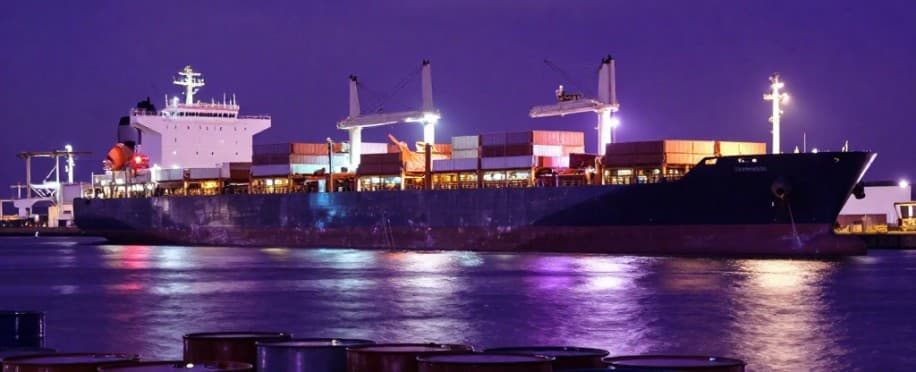
Approximately 20% of the world's oil and liquefied natural gas normally passes through the Strait of Hormuz, which is effectively closed, exacerbating the crisis. After Iran's Revolutionary Guard Corps vowed to attack any ship trying to pass through, hundreds of tankers stopped operating.
Besides, a number of significant oilfields may soon have to close if exports cannot start up again, as storage facilities in Saudi Arabia, the United Arab Emirates, and Kuwait are almost at capacity.
Europe & Asia Reel as Energy Crisis Intensifies
Calling it “a very small price to pay” for international security, President Donald Trump dismissed the price spike as a short-term effect of the fight and said that prices will decline after Iran's nuclear threat is eliminated.
However, Iranian officials retorted that the crisis had reached a “new phase” and that ongoing military pressure might drive oil prices above $200 per barrel.
Financial markets responded quickly. European markets plummeted, with the Stoxx Europe 600 erasing its yearly gains and the FTSE 100 down about 2%.
Asian markets saw even more severe losses, with the Nikkei 225 in Japan falling 5% and the Kospi in South Korea falling 6.6%. Due to investor concern over resurgent inflationary pressures, U.S. futures also pointed lower.
Consequently, Asia's governments have begun emergency measures due to reliance on Middle Eastern oil imports. South Korea extended a ₩100 trillion market stabilisation programme and implemented its first fuel price ceiling in nearly three decades. Meanwhile, Bangladesh announced temporary university shutdowns to conserve fuel and electricity.
Oil Shock Fears Mount Despite U.S. Assurance
Although shipping companies are still concerned, the U.S. administration has tried to calm markets by looking into naval escort options and offering insurance assurances for tankers travelling through the area.
Analysts caution that the estimated 20 million barrels per day that are currently affected would not be countered by even coordinated releases from strategic petroleum reserves.
Soon afterwards, concerns are growing that a prolonged energy shock could jeopardise global economic stability, given that oil prices have increased by two-thirds since the beginning of the year and that petrol prices in the United States have increased by 16% in just one week. Experts warn that prices might rise to $150 per barrel in the upcoming weeks unless tensions subside and the Strait of Hormuz reopens.
Regent Centre offers specialised classroom education that gives individuals with critical knowledge and skills for both professional and personal development, linking training with industry needs and strategic objectives to encourage confidence and success.
Read more news:
- City Hall Announces a New Policy on Data Centres
- Six Planets Parade Across the Night Sky in a Rare Celestial Spectacle
- PayPal is of Interest to Payments Processor Stripe
Posted On: March 10, 2026 at 11:30:11 AM
Last Update: April 16, 2026 at 07:01:24 PM
Articles You Can’t Miss
Handpicked content to fuel your curiosity.