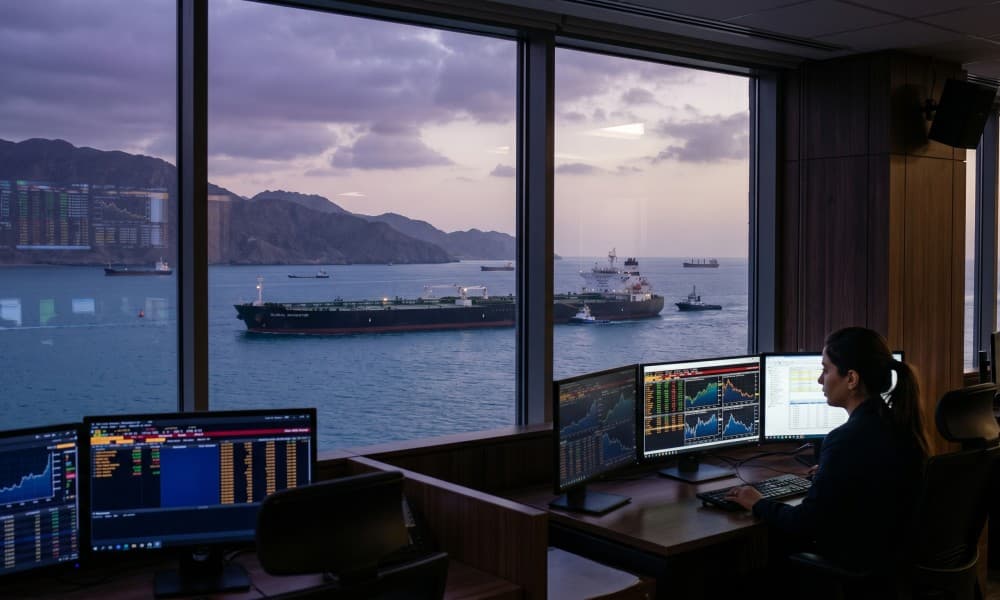
Oil & Petrol Prices Decrease Substantially, Fuelled by Optimism that the Strait of Hormuz Will Reopen
Optimism over Iran talks eases oil prices and lifts global markets.In This News
Quick links to sections in this news.
Oil and gas markets experienced a significant correction as investors anticipated potential diplomatic progress between Washington and Tehran.
Brent crude prices briefly dropped below $98 a barrel, marking an 11% decline and the lowest level since late April, before rebounding to around $103.
Plus, wholesale gas prices decreased, with the UK June contract declining by 6.3% and the Dutch benchmark falling by 6.2%.
Markets rally as energy prices fall
Analysts linked the recent market movements to reports of a potential US-Iran memorandum aimed at reducing hostilities, which could facilitate the reopening of the Strait of Hormuz, a critical channel for global oil.
David Morrison from Trade Nation noted that the possibility of a “peace dividend” spurred increased risk-on trading in global markets.
Nonetheless, Tehran pushed back. Ebrahim Rezaei, spokesperson for Iran's national security and foreign policy commission, described the alleged one-page agreement as an “American wishlist,” warning that Iran “has its finger on the trigger” if concessions are not made. Iran's foreign ministry said that the idea was still being reviewed.
With Regent Training Centre's assistance, learners may boost productivity and realise their professional aspirations. Customised Coaching and practical instruction strengthen abilities and develop a sense of confidence.
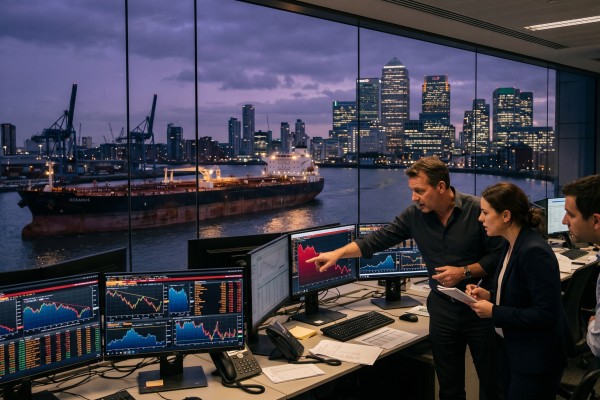
Markets Rise on AI and Lower Oil Prices
Equity markets had a robust rally despite geopolitical unpredictability. With the Dow Jones up 0.9%, the S&P 500 up 0.7%, and the Nasdaq up 0.8%, Wall Street continued its AI-driven rally.
As crude prices dropped, energy stocks underperformed, but technology companies surged thanks to sustained excitement over AI-related profits.
Moreover, European markets did the same. As investors wagered on lower gasoline prices, London's FTSE 100 increased by 2.1% while travel and leisure companies skyrocketed, with Ryanair rising by almost 11% and IAG, Tui, easyJet, Lufthansa, and Accor all rising by more than 6%.
Following a tumultuous week, bond markets also stabilised. After reaching 28-year highs, UK gilt yields decreased, giving Chancellor Rachel Reeves a little more leeway when it came to budgetary planning. As some investors continued to hold defensive positions, gold increased 3.1% to $4,699 per ounce.
Some of the biggest advances came from Asian markets. Tech stocks profiting from the worldwide AI boom helped Tokyo's Nikkei soar 5.7% to a record intraday high. While South Korea's Kospi slightly declined as traders locked up profits following a significant run, Taiwan, Hong Kong, and Australia also saw gains.
Hormuz Hopes Against a Tense Background
After Iran's Islamic Revolutionary Guard Corps navy indicated that safe passage could resume after “threats from aggressors” were eliminated, expectations for the Strait of Hormuz to reopen grew. The IRGC stated that new procedures would guarantee “safe and stable passage” in posts congratulating shipowners for adhering to Iranian standards.
Still, risks exist. The US military reported destroying the rudder of an Iranian tanker attempting to escape the American embargo, highlighting the precarious security situation. Iranian parliament speaker Mohammad Ghalibaf warned that, while the situation may be unbearable for Washington, “we are just getting started.”
Even if a settlement is reached, economists warn that restoring normal shipping flows could take many months. Inventories are not dangerously low, but uneven distribution and dwindling buffers increase the possibility of localised shortages.
Read more news:
- Earth Day 2026: Who Can Actually Save the Earth Now?
- Geneva Dry is Going to Tackle the Most Pressing Issues in Shipping
- Amazon Spends $11 billion on a Satellite Company Amid the Escalating Starlink Battle
Posted On: May 7, 2026 at 02:04:36 PM
Last Update: July 2, 2026 at 07:51:55 PM
Articles You Can’t Miss
Handpicked content to fuel your curiosity.