Trump Refers to the U.S. as the 'Guardian Angel' of the Middle East
Leadership is measured not by the power to control events, but by the wisdom to navigate uncertainty.In This News
Quick links to sections in this news.
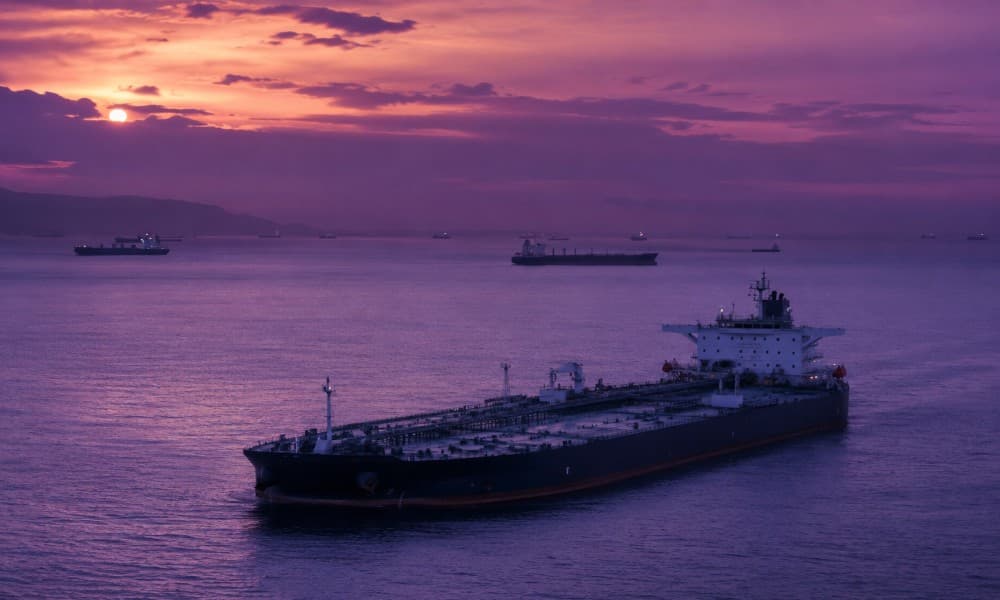
According to US President Donald Trump, there will be no tolls for ships passing through the vital Strait of Hormuz unless Washington decides to impose them.
Trump announced on Truth Social that there will be no tolls in the Strait of Hormuz for an initial 60-day cease-fire.
He specified that after this period, no tolls would be imposed unless they were sanctioned by the United States.
Iran Signals Hormuz Closure Over Fractured US Deal
Tehran announced the closure of a strategic waterway again, despite a signed MOU with the U.S. aimed at ending the war, following resumed Israeli attacks on Lebanon that resulted in numerous civilian casualties.
Specifically, Iran has accused the U.S. of failing to fulfil its obligations under an agreement, leading its military command to instruct ships to alter their routes due to a "clear breach" of terms.
However, U.S. Central Command has denied claims regarding the closure of Hormuz, confirming that ships are continuing to transit the waterway as normal.
Shipping companies, operators, and managers are cautious about sending vessels across volatile waters despite the deal's signing, due to uncertainties regarding the agreement's terms and the shifting positions of both parties.
The memorandum serves as a temporary agreement allowing both parties to cease hostilities, resume shipping operations through Hormuz, and engage in discussions regarding critical issues such as Iran's nuclear programme.
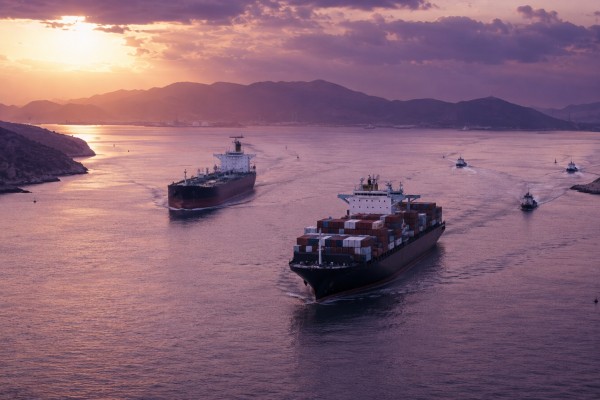
Trump Pushes for US-Led Shipping Tolls in Hormuz
Many aspects remain unclear in the official document, specifically regarding the collection of tolls in Hormuz following the 60-day expiration period, which is not explicitly addressed.
The Hormuz Strait was previously open to shipping without any fees or tolls imposed by any country before the U.S.-Iran war, which was triggered by attacks from Israel and the United States on Tehran.
Initially, Trump advocated for keeping the waterway permanently toll-free. However, he revised his stance, asserting that if changes were to be made, the responsibility would fall on the U.S., not Iran.
Expanding on this stance, Trump believes that fees should only be levied by and for the United States. He claimed that any payment would be reimbursement for the United States serving as the Gulf Nations' "Guardian Angel" if the deal were not finalised.
Regent Centre offers customised in-house training options aligned with your organisation's objectives, culture, and schedule, ensuring measurable results and skilled trainers delivered to your teams anywhere.
US-Iran Hormuz Toll Dispute Set for Swiss Talks
In April, Trump suggested charging tolls instead of allowing others to control them, asserting, "We’re the winners. We won."
There is no indication that any plans have been officially shared with Gulf allies, who strive to balance their relations with both the U.S. and Iran.
Meanwhile, senior Iranian officials indicated that Iran may implement a service fee for vessels passing through the Hormuz Strait, asserting that only Iran and Oman have the authority to manage this vital maritime route. Discussions should prioritise the proper implementation of the current memorandum in the coming days.
Therefore, Pakistan is mediating between the US and Iran, with follow-up talks scheduled to begin today in Switzerland.
Accordingly, the Iranian delegation, headed by parliamentary Speaker Mohammad Bagher Ghalibaf and Foreign Minister Abbas Araghchi, has arrived for negotiations. The U.S. delegation includes Trump’s son-in-law Jared Kushner, special envoy Steve Witkoff, and Vice President JD Vance.
Read more news:
Posted On: June 29, 2026 at 02:02:05 PM
Last Update: July 2, 2026 at 07:52:21 PM
Articles You Can’t Miss
Handpicked content to fuel your curiosity.