Hospitality Trends Shaping the Future of Hotels and Tourism
The hospitality industry is evolving faster than ever, driven by changing traveler expectations, emerging technologies, and innovative service standards. From AI-powered guest experiences to sustainable operations and smart hotels, today's hospitality trends are redefining success while creating exciting opportunities for businesses and professionals alike.In This Article
Quick links to sections in this article.
The game is changing! The hospitality industry is changing toward more customer-centric, luxury, and sustainable experiences with the goal not only to push guests to come back but to create unforgettable and unique experiences every time.
Hospitality trends are shaping how businesses are changing their strategies, report techniques, used technologies, and staff training to meet guest expectations.
Want to learn more? Let’s continue exploring hospitality trends, why these trends are important, skills required from staff in the industry, and why you need professional training to master these trends, strategies, and skills.
Glimpse at Top Hospitality Trends in 2026:
- AI for everything.
- Smart hotel technology.
- Sustainability becoming a business priority.
- Wellness tourism continues to grow.
- Local culture experience.
- Flexible payment.
- Luxury upgrade.
Why Hospitality Trends Matter More Than Ever?
We can say that hospitality industry trends are your best way to follow if you want to attract and keep guests interested in your hotel, motel, or any tourism facility. These are the main reasons you shouldn’t ignore trends:
- Meet modern travelers’ expectations with personalized, seamless, and memorable experiences exceeding traditional hospitality standards every stay.
- Beat growing hospitality competition with innovation trends, unique strategies, and continuously improved guest experiences.
- Implement hotel technology trends in industry operations to enhance efficiency, convenience, personalization, and overall guest satisfaction.
- Know which important hospitality skills to learn and develop to deliver exceptional service, strengthen operations, increase loyalty, and drive business success.
Exceptional hospitality isn't about serving guests—it's about creating experiences they'll always remember.
Elevate Guest Experience7 Top Hospitality Trends Shaping the Industry:
Hospitality trends are changing strategies around the industry to meet guest expectations, report required technologies, and support the staff's growing requirements. The most powerful hospitality and tourism trends now are:
- AI for Everything:
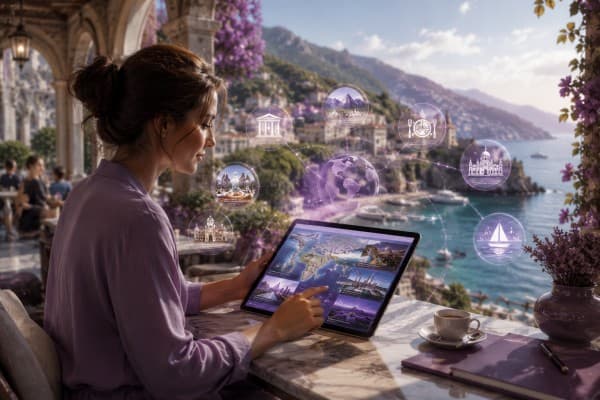
With the right artificial intelligence course covering AI, you’ll learn how to use AI to streamline reservations, guest experiences, customer support, staff management, report strategies, and operational efficiency across businesses.
In the real world: These trends enhance efficiency while delivering smarter, faster, and highly personalized hospitality experiences.
- Smart Hotel Technology:
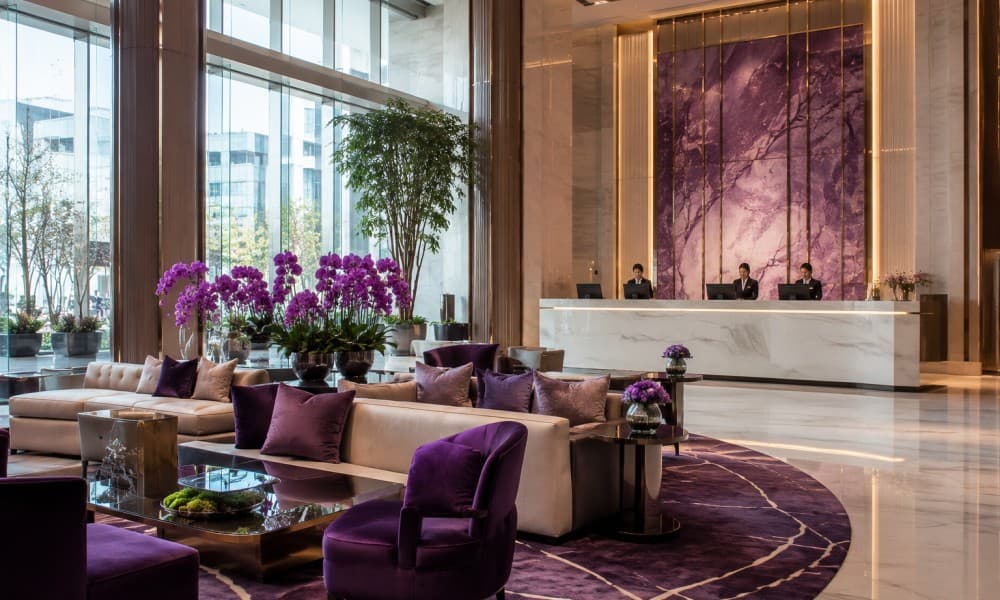
People now, especially in luxury hotels, expect smart rooms with connected devices and automated controls to live the convenience, comfort, and security of modern experiences.
In the real world: Businesses become more efficient and trendier with technology-driven experiences guests increasingly expect today.
- Sustainability Becoming a Business Priority:
This is one of today’s guest expectations, as they want to see businesses doing their part in protecting the environment with eco-friendly practices, renewable energy trends, and waste reduction management.
In the real world: Sustainability trends strengthen brand reputation while attracting environmentally conscious travelers, changing strategies, and effectively reducing operational costs.
- Wellness Tourism Continues to Grow:
Travelers are more interested in spa retreats, healthy dining, fitness facilities, and mindfulness experiences, beyond traveling for new sights.
In the real world: Hotels expand wellness experiences to deliver evolving guest lifestyles and travel preference trends successfully.
- Local Culture Experience:
Guests want to live authentic cultural experiences through local cuisine, traditions, heritage sites, and community activities during their stays.
In the real world: Hospitality industry providers create memorable stays by connecting travelers with authentic local communities naturally.
- Flexible Payment:
Hotels, especially luxury international ones, offer digital wallets, contactless payments, and multiple currencies for greater convenience and booking accessibility across markets.
In the real world: Flexible payments make booking easier, leading to improved guest satisfaction and increased reservation opportunities globally.
- Luxury Upgrade:
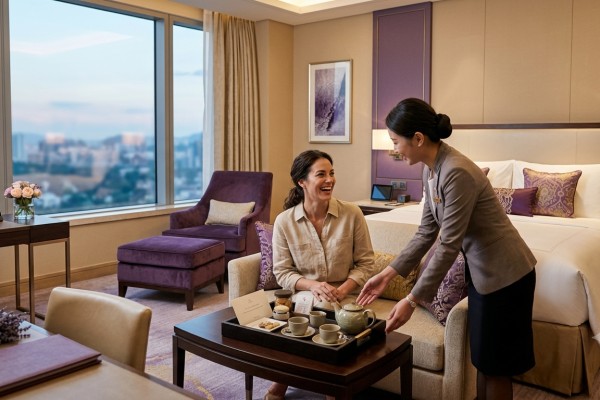
Luxury hospitality not only includes premium details but exceeds that to include personalized amenities and exceptional experiences to meet guest expectations across destinations.
In the real world: Luxury experiences strengthen guest loyalty while boosting the hotel's location in a competitive industry.
Skills Hospitality Professionals Need for the Future:
Future leadership competencies are the only way for travel industry professionals to stay updated and empower their careers. The key skills you need to learn about in the industry are:
- Customer experience management.
- Hospitality leadership.
- Digital transformation.
- Revenue management.
- Communication strategies.
- Problem-solving.
- Cross-cultural communication.
- Emotional intelligence.
How Does Hospitality Training Help Professionals Stay Competitive?
Having the best hospitality concept strategy training course will help you master industry trends, stay competitive, and succeed. These are the main reasons why you need hospitality training:
- Keeping Pace with Industry Innovations:
Hospitality industry training helps professionals stay competitive in a changing market by understanding emerging technologies, trends, report practices, and guest expectations.
- Building Leadership Capabilities:
The requirements of leadership in the age of AI have developed to include data analysis, report management, and travel technologies in addition to essential communication and team management skills for successful hospitality careers and organizational growth.
- Improving Guest Satisfaction:
Learning how to implement better services, effective problem-solving abilities, and professional customer engagement techniques will for sure boost guest satisfaction.
- Supporting Career Advancement:
A continuous learning mindset enhances expertise, increases employability, boosts career opportunities, and prepares you for higher hospitality roles.
Conclusion,
It’s loud and clear now, hospitality trends are shaping the future of the travel and tourism industry toward more customized, personalized, sustainable, and AI-implemented experiences. All of these trends aim to offer better, more relaxing, and luxurious experiences for guests.
Learn all about the hospitality and tourism industry directly from the experts with the best training center that shares knowledge, practical experience, report analysis, and accredited certifications to boost your career amazingly.
Posted On: July 30, 2026 at 02:25:24 PM
Last Update: July 30, 2026 at 02:25:24 PM
The five C's include courtesy, communication, consistency, cleanliness, and commitment.
Artificial intelligence, smart hotels, sustainability, wellness tourism, flexible payments, personalized experiences, and authentic local travel shape hospitality during 2026.
The five P's are product, price, place, promotion, and people, forming hospitality's essential service and marketing foundation successfully.
Many hospitality companies prioritize AI transformation, technology, sustainability, personalization, employee development, and memorable guest experiences.
Articles You Can’t Miss
Handpicked content to fuel your curiosity.