Sales Negotiation Techniques That Help Close More Deals
Closing deals at full value is harder than ever as modern buyers aggressively push for discounts. Mastering structured sales negotiation enables revenue teams to protect profit margins, articulate ROI clearly, and turn high-stakes buyer objections into long-term commercial partnerships.In This Article
Quick links to sections in this article.
Modern B2B commerce has become a major competitive battleground, with multinational organizations, local enterprises, family businesses, and revenue teams all investing in structured sales negotiation development for their teams. The demand is driven by shifting buyer behavior, economic pressure, and the need for commercial professionals who can protect profit margins effectively.
In this guide, we explain what sales negotiation strategies cover, the delivery models revenue teams use, the ROI and business impact sales negotiation creates, and why mastering sales negotiation has become essential for succession planning and talent pipelines across modern markets.
Understanding Core Pain Points in Sales Negotiation
Many sales professionals struggle during sales negotiation because modern buyers push aggressively for steep discounts. According to industry research, over 80% of sales negotiation breakdowns stem from inadequate preparation rather than product limitations. Knowing how to lead a sales negotiation allows reps to protect profit margins while building deep buyer trust.
Key dynamics shaping modern sales negotiation include:
- Navigating Buyer Hesitation:
High-pressure deal moments require strong Emotional Intelligence to understand buyer anxiety, address hidden objections, and keep the sales negotiation calm, constructive, and focused on value.
- Value Perception:
Framing your solution as an essential business investment rather than an expense is a proven skill needed to win high-value accounts.
Negotiation is not about arguing for a price; it is about agreeing on the true value of a partnership.
Master NegotiationsEssential Sales Negotiation Strategies That Protect Margins
Executing a successful sales negotiation requires a well-defined process. Without sharp negotiation skills, sales reps frequently grant concessions too early without securing equal value in return, hurting overall profitability.
To safeguard your deal values and maintain high profit margins, incorporate these five proven sales negotiation strategies into your commercial playbook:
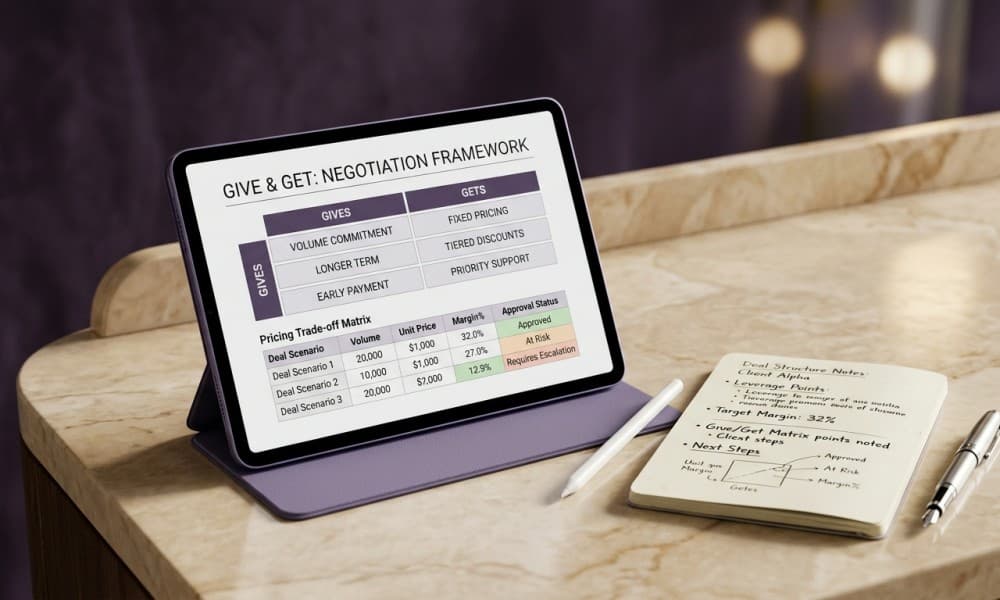
- Trade Value, Don't Discount ("Give and Get")
Every sales negotiation conversation should follow a strict "give and get" rule. Never grant a price concession without asking for something equal in return—such as longer contract terms, upfront payment schedules, or larger order volumes. This protects terms, preserves overall deal profitability, and prevents the client from viewing your prices as flexible.
- Leverage Persuasive Communication
Applying persuasive communication techniques enables salespeople to articulate unique value clearly. By framing your solution around the client’s specific ROI and operational impact, you help them win internal buy-in without resorting to price cuts during critical sales negotiation sessions.
- Establish a Clear Walk-Away Point (BATNA)
Before entering any sales negotiation, define your Best Alternative to a Negotiated Agreement (BATNA) and establish your absolute bottom-line margin. Knowing your boundaries prevents emotional decision-making, ensuring reps walk away from unprofitable deals rather than accepting terms that undermine business health.
- Anchor High and Control the Conversation Anchor
Set the initial commercial parameters by anchoring early with a strong value proposition. By taking control of the pricing baseline in a sales negotiation, you establish high perceived value, making minor, strategic concessions later feel far more significant to the buyer.
- Isolate and Reframe Objections Before Conceding
When a buyer demands a price drop, pause to isolate the request before responding. Ask clarifying questions to determine if price is the true hurdle or just a cover for risk, timing, or implementation concerns. Reframing objections around value and risk mitigation helps keep the original price intact.
The Power of Preparation in Business Negotiation
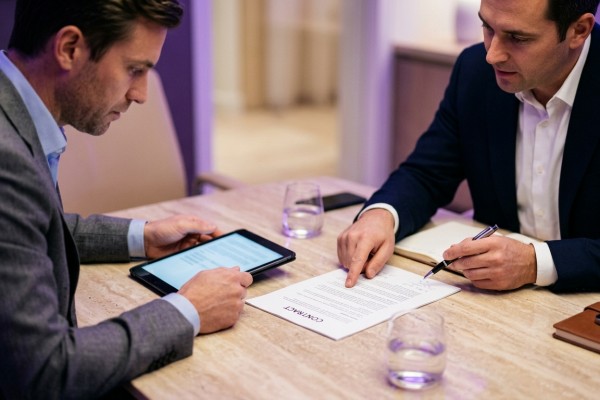
Top enterprise sellers treat every sales negotiation as a collaborative business negotiation rather than a confrontational battle. Thorough preparation helps reps master customer psychology, anticipate friction, and guide the deal toward mutual growth.
Key components of strategic sales negotiation prep:
- Structured Capability Building:
Enrolling in targeted Sales Training Courses empowers sales teams to practice advanced tactics, test new techniques, and elevate overall performance.
- Executive Confidence:
Developing strong Leadership Skills enables account executives to lead high-stakes sales negotiation discussions with complete authority and strategic vision.
Combining Sales Closing Tactics with Strategic Sales Negotiation
Aligning proven sales closing tactics with your overall sales negotiation framework ensures seamless deal transitions. When sales closing principles are integrated into sales negotiation early, buyers feel guided rather than pressured.
Strategic steps for combining closing and sales negotiation:
- Identify Decision Drivers:
Discover what matters most to key stakeholders, including implementation timelines, custom terms, or payment flexibility, to effectively streamline the sales negotiation process.
- Cross-Functional Alignment:
Organizations often implement specialized Management Training Courses to align sales leaders and managers around unified sales negotiation principles.
How to Master Sales Negotiation for Sustainable Success
Continuous improvement is what separates average sales reps from master negotiators. To consistently win competitive accounts, revenue teams must regularly analyze their sales negotiation outcomes and refine their commercial playbooks.
Key habits for long-term sales negotiation mastery:
- Post-Deal Reviews:
Analyze past sales negotiation interactions to see what worked, learn from mistakes, and refine upcoming sales negotiation tactics.
- Focus on Win-Win Outcomes:
Approach sales negotiation as the foundation of a long-term partnership, ensuring both parties feel victorious when the contract is signed.
Conclusion
Mastering sales negotiation is the most reliable way to boost win rates, shorten deal cycles, and protect corporate profitability. By applying these structured sales negotiation techniques, your revenue team can handle objections confidently and secure higher-margin agreements. Take control of your commercial strategy today—invest in your sales negotiation capabilities and watch your deal performance soar!
Posted On: September 7, 2026 at 12:37:20 PM
Last Update: September 7, 2026 at 12:37:20 PM
The main goal of sales negotiation is to reach a mutually beneficial agreement (win-win) while protecting corporate profit margins, preserving contract value, and establishing a strong ongoing business relationship.
Instead of immediately lowering the price, use persuasive communication to reframe the value. If concessions are necessary, always follow the "give and get" rule to trade value rather than giving away margin for free.
Emotional Intelligence helps sales reps remain calm during high-pressure deal moments, identify hidden buyer anxieties, and navigate objections constructively without making defensive or emotional concessions.
Sales closing focuses on securing the decision to buy, whereas sales negotiation focuses on agreeing upon the specific terms, conditions, scope, and pricing under which the sale will take place.
Thorough preparation allows reps to define their walk-away point (BATNA), anticipate buyer objections, and structure strategic concessions, ensuring they maintain control throughout the commercial discussion.
Articles You Can’t Miss
Handpicked content to fuel your curiosity.