How to Optimize Your Supply Chain Operations
Modern businesses rely on supply chain optimization to reduce costs, improve operational efficiency, and meet growing customer expectations. From planning and logistics to workflow management, optimizing supply chain operations helps companies streamline processes, increase profitability, and build stronger strategies.In This Article
Quick links to sections in this article.
Supply chain optimization isn’t just a buzzword to read about! Learning all about SCM, planning, and optimization is a must for efficient supply chains and logistics management.
Optimizing the SC is your best approach to ensure all logistics and operations are following your business strategy to scale up goal achievement, customer satisfaction, and profit.
Continue reading this outstanding article to discover all about supply chain optimization, management technologies, and delivering trends based on your company data and buyer persona.
What Is Supply Chain Optimization?
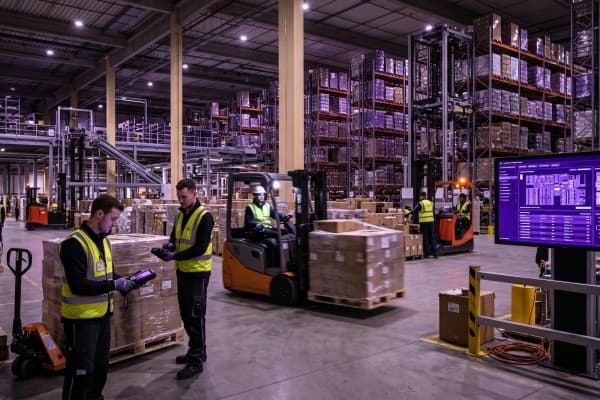
Supply chain optimization is the process of boosting SC activities using updated data, advanced technology, and strategic planning to reduce costs, improve manufacturing efficiency, increase operational visibility, and boost client satisfaction. This actually helps businesses streamline procurement, transportation, and production processes, even in a competitive market, while improving business performance, productivity, and profitability.
What Are the Three Phases of Supply Chain Optimization?
The three phases of SCO are what ensure you have better SCM outcomes based on performing data, customer expectations, and required distribution solutions.
- Supply Chain Designing:
This phase focuses on creating supply networks, selecting suppliers, adjusting warehouse locations, and improving distribution models for better performance.
- Supply Chain Planning:
Estimating demand, managing storage, and preparing operations to meet clients' requirements and avoid risk possibilities efficiently should all be part of the planning phase.
- Supply Chain Execution:
Supervising all daily operations, including order management, transportation, warehousing, shipment tracking, raw materials sourcing, and maintaining smooth delivery processes.
An optimized supply chain doesn’t just move products faster — it moves businesses forward.
Optimize TodayHow to Reduce Supply Chain Cost?
Businesses can reduce SC costs with professional logistics optimization to improve storage management, automate workflows, reduce operational waste levels, enhance purchasing strategies, and use real-time analytics. Effective cost control strategies minimize delays, lower storage expenses, boost resource utilization, and increase operational efficiency, leading to a reduction in the overall costs of supply chains.
How to Boost Supply Chain Performance?
SC efficiency and performance are improved through accurate estimation, automation, data-driven decisions, and stronger collaboration between suppliers and teams. The best supply chain management courses will teach you how to boost efficiency and accuracy based on performance indicators and global rules.
What Are the Benefits of Supply Chain Optimization?
The benefits of SCO reflect directly on the outcomes of a supply network, including logistics efficiency and business revenues.
- Increased Operational Efficiency:
SCO improves workflows, reduces delays, and increases productivity across procurement, logistics, and operations.
- Lower Operational Costs:
Optimized supply chains reduce transportation expenses, inventory waste, storage costs, and unnecessary operational activities to boost business profitability. The Lean Distribution: Implementing Lean in Distribution, Logistics, and Supply Chain Operations Training Course will help you learn modern methodologies for better operational control.

- Improved Supplier Performance:
Businesses with strong provider relationships have better and more stable SCM. The improvement could be done with better communication, performance monitoring, and quicker coordination.
- Higher Customer Satisfaction:
Efficient SC planning improves transport speed, product availability, and order accuracy, which reduces issues and boosts customer satisfaction. This actually increases revenue as happy customers will order again, which will mean higher income.
- Greater Profitability:
We can say that SCO is all about increasing revenue opportunities by reducing operational costs and improving efficiency.
Supply Chain Optimization vs Logistics Optimization: What Are the Differences?
Professional project management courses will help you learn all about SCM and logistics to understand the differences and how to optimize them for better outcomes. This understanding helps you manage different SC in different industries, including a technical, medical, or pharmaceutical supply chain.
Conclusion,
Supply chain optimization is a key part of SCM to ensure the efficiency of the workflow and includes logistics. The chain optimization should be an ongoing process of supply chain planning and management.
Logistics and supply chain training courses are essential for your career to gain updated knowledge, understand complex chain techniques and terminologies, enrich your skills, and boost your career growth indicators.
Posted On: May 15, 2026 at 06:36:46 PM
Last Update: May 15, 2026 at 06:36:46 PM
The 5 C’s of supply chain management are Company, Customers, Competitors, Collaborators, and Climate.
Businesses optimize supply chains by improving visibility, automating operations, reducing waste, strengthening supplier relationships, and using data analytics effectively.
The main 4 types of supply chains are continuous-flow model, fast model, efficient model, and custom-configured model.
The 5 principles of SCM are planning, sourcing raw materials, manufacturing, delivering, and returns.
Articles You Can’t Miss
Handpicked content to fuel your curiosity.