Customer Experience in Hospitality: Best Practices for Success
Customer experience in hospitality is built through the small details guests notice throughout their journey. From booking and check-in to service recovery and follow-up, every interaction can influence satisfaction, loyalty, and the decision to return.In This Article
Quick links to sections in this article.
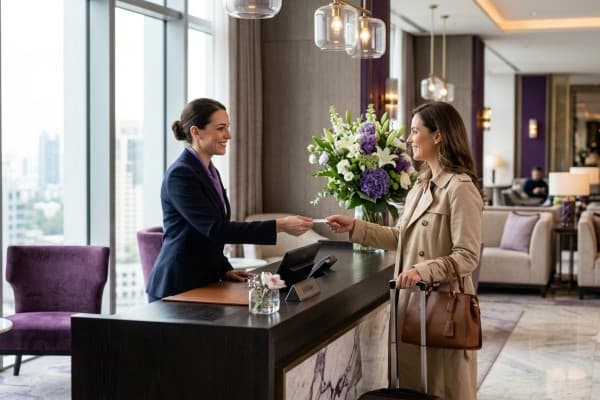
Customer experience in hospitality is the total impression a guest forms from the first search to the final follow-up after checkout. It depends on how easy booking feels and how staff respond when something goes wrong. Strong hotels manage the journey as one connected experience.
In this article, we explain where the experience is won or lost; how technology should support people; and which practices can improve loyalty as well as revenue.
Guest Satisfaction Starts Before Arrival
A guest begins judging the hotel before reaching the lobby. The booking page matters. Confirmation messages matter too. If information is unclear or requests disappear between channels, confidence falls before the stay begins.
That is why customer experience in hospitality should start with journey mapping. Follow the guest from search to booking. Then review pre-arrival communication and arrival.
For example, a traveler arriving after midnight needs clear check-in instructions and confidence that the room will still be available.
Which is also why strong customer relationships require more than technology. Digital tools can remember preferences or automate messages.
Hotel Service Should Feel Consistent
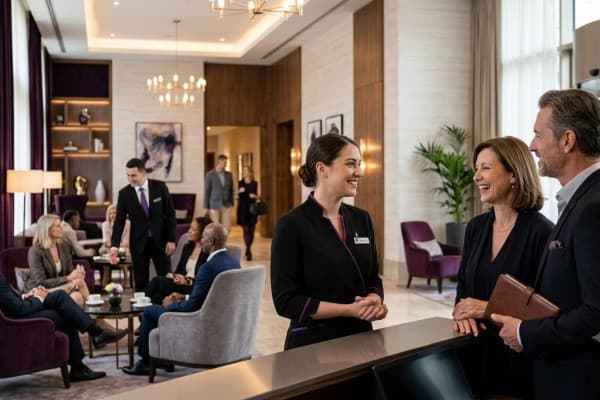
A guest may speak with reservations before arrival. They may then interact with reception and housekeeping. To the guest, these departments are one hotel.
Consistency therefore becomes a key part of customer experience in hospitality. If one employee promises a late checkout but the next shift cannot see the request, the problem becomes a trust issue. According to J.D. Power’s 2025 hotel study, guests who experienced a problem recorded satisfaction 217 points lower than the overall average. Fast recovery therefore matters.
Personalization Should Solve a Real Need
Personalized service does not mean adding a guest’s name to every message. Useful personalization makes the stay easier.
A returning business traveler may value the same room type. Another guest may prefer mobile check-in.
Hilton provides a practical example. Its app allows guests to select rooms and check in digitally. It also provides a Digital Key. This gives travelers control without removing staff support.
The best experience combines convenience with judgement. Technology handles repetitive steps. Employees focus on situations where empathy or flexibility creates more value.
Customer Service Matters Most When Something Goes Wrong
Perfect operations are unrealistic. A room may not be ready or a booking request may be missed.
The real test is what happens next.
An effective recovery process should give employees enough authority to act. Requiring approval for every solution increases frustration.
This is where emotional intelligence in leadership becomes commercially relevant. Leaders can coach teams to listen first and respond without becoming defensive.
A simple recovery process is useful:
- Understand what happened from the guest’s perspective.
- Confirm what can be fixed immediately.
- Give the guest a clear next step.
- Record the issue so another employee does not repeat it.
- Review recurring problems at management level.
Digital Convenience Should Remove Work
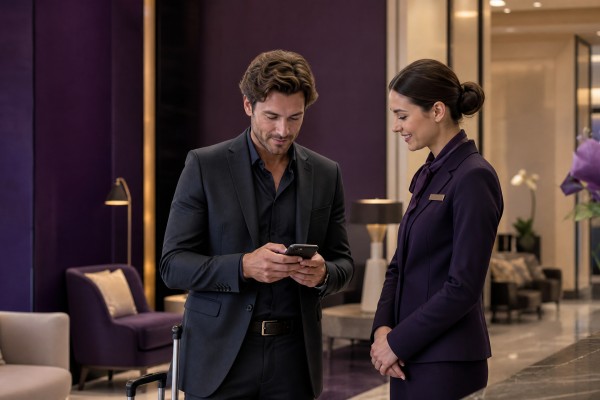
Technology should make the journey seamless. It should not move hotel work onto the customer.
Mobile check-in can be valuable when it is fast. Online messaging can help when responses are timely.
J.D. Power found that guests with a hotel mobile app reported higher overall satisfaction than those without one. That does not mean every property needs more technology. Digital services should solve tasks guests want to complete quickly.
Hospitality Management Depends on Employee Confidence
This topic is often discussed as a guest strategy. In practice, it is also an employee strategy.
Front-line jobs involve judgement. A reception employee may need to balance policy with an unusual request.
This is why essential leadership skills support stronger service teams. Managers need to set standards and coach behaviour. They also need to give employees enough authority to make sensible decisions.
Relevant Hospitality Training Courses can support professionals who want to strengthen service leadership and operational decision-making.
Measure the Moments That Affect Loyalty
Hotels collect large amounts of data, but more statistics do not guarantee better decisions.
Focus on measures that reveal where the journey is breaking:
- Booking abandonment
- Check-in waiting time
- Complaint resolution time
- Repeat bookings
- Online review themes
- Loyalty enrolment
- Direct booking growth
The purpose is to identify which interactions drive satisfaction and which create unnecessary effort.
Customer experience in hospitality improves when managers connect feedback to action. If reviews repeatedly mention slow check-in, the answer may involve staffing or process design rather than another survey.
Build a Practical Improvement Plan
Start with one journey rather than trying to redesign the entire business.
Map the stages from discovery to post-stay communication. Identify where guests wait or repeat information. Then prioritize the issue with the greatest impact.
Next, assign ownership. A strategy without a responsible manager usually remains an idea rather than becoming operational change.
Finally, test the improvement. Compare feedback before and after the change. Customer experience in hospitality should become measurable through better outcomes rather than broad promises about exceptional service.
Conclusion
Customer experience in hospitality succeeds when the hotel makes the journey easy while keeping human judgement available when it matters. Digital tools can improve convenience. Personalization can make services more relevant. Strong employees can recover moments technology cannot solve.
For hospitality businesses, better experiences strengthen loyalty and protect reputation. They can also support repeat revenue. Leaders should design operations around the moments guests notice.
Posted On: August 11, 2026 at 01:49:04 PM
Last Update: August 12, 2026 at 12:20:18 PM
Consistency has a major effect. Guests notice whether promises are kept and whether problems are resolved quickly.
Yes. Use technology to remove friction and speed up simple tasks. Keep human support available for complex situations.
Make repeat stays easier. Remember useful preferences and resolve problems well. Loyalty grows when guests know what quality to expect.
Start with complaints and resolution time. Then review repeat bookings and recurring themes in online reviews.
Articles You Can’t Miss
Handpicked content to fuel your curiosity.