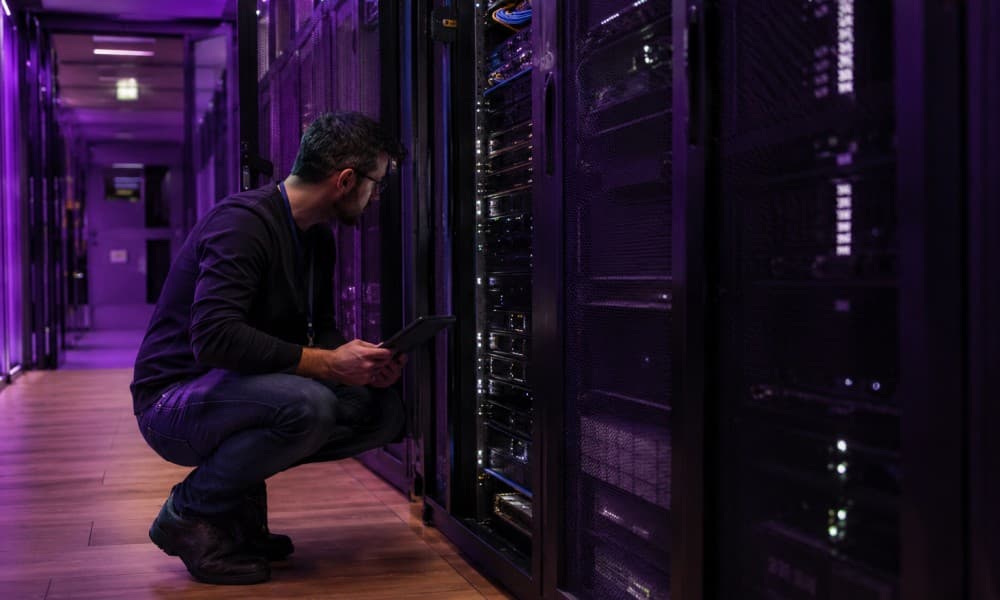
Cloud Computing vs Traditional IT Infrastructure: Key Differences
Choosing between cloud computing and traditional IT infrastructure can significantly affect how businesses manage systems, data, costs, and daily operations. Understanding their key differences can help organizations identify the approach that better aligns with their technology requirements, resources, and future goals.In This Article
Quick links to sections in this article.
Are you wondering what the differences are between cloud computing vs traditional IT? If yes, then you found the right guide to discover all the needed details.
Businesses developing their systems face this hard decision, to know which is the best option for their websites, systems, CRMs, data management, and costs. Understanding the differences in performance, maintenance, scalability, costs, accessibility, and control will help you make informed decisions for your business requirements.
So, let’s continue reading our comprehensive article to learn all about cloud computing vs traditional IT, including pros, cons, and skills to empower your decisions with strong evidence and incredible strategies.
Cloud Computing vs Traditional IT for Businesses at a Glance:
- Performance & Reliability.
- Management & Maintenance.
- Scalability & Flexibility.
- Security Considerations.
- Cost Comparison.
- Accessibility & Remote Access.
- Infrastructure & Control.
Traditional IT builds the foundation, but cloud computing provides the wings; strategic flexibility is the ultimate competitive advantage.
Explore CoursesWhat Is Cloud Computing?
Cloud computing delivers computing resources, including servers, storage, software, and databases, over the internet. Think of it like this: instead of managing physical on-premises infrastructure, businesses can access scalable services from cloud providers who are responsible for all the development and maintenance while paying for resources according to usage, business needs, and changing operational demands. Knowing the difference between systems such as a WMS and ERP can also help when planning how software and data should fit into the wider computing infrastructure.
Example: Netflix & Cloud Computing
Netflix relies heavily on cloud computing through AWS. Instead of maintaining all the physical computing infrastructure required to deliver its streaming service, Netflix uses AWS resources for computing, storage, databases, analytics, and video processing.
Benefits of Cloud Computing:
- Lower upfront infrastructure costs.
- Easy scalability based on demand.
- Remote accessibility from different locations.
- Reduced hardware maintenance requirements.
- Supports business flexibility and innovation.
Cons of Cloud Computing:
- Dependence on internet connectivity.
- Ongoing subscription or usage costs.
- Potential data privacy concerns.
- Less direct infrastructure control.
- Requires specialized cloud skills.
Key Skills Needed for Cloud Computing:
- Cloud platforms.
- Networking.
- Cybersecurity.
- Cloud administration.
- Automation.
- Data management.
- Problem-solving.
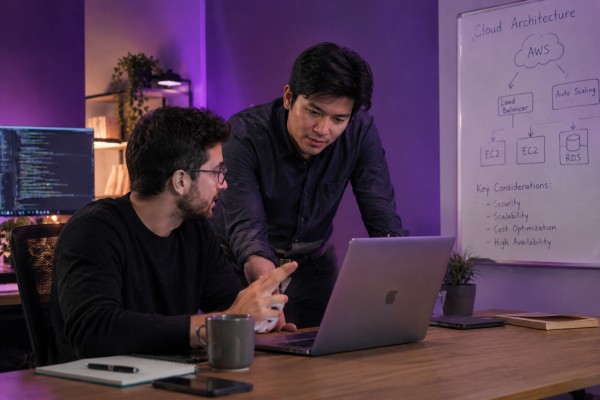
What Is Traditional IT?
Traditional IT infrastructure relies on physical servers, storage systems, networking equipment, and software managed within an organization’s facilities. Businesses purchase, maintain, secure, and upgrade this infrastructure internally, giving them comprehensive and direct control over their technology environment, resources, and operational processes while supporting daily business activities directly.
Management Information Systems (MIS) also play an important role in traditional IT environments by helping organizations discover, collect, manage, and use information to support business operations and decision-making.
Example of Traditional IT:
We can say that there isn’t an international company still relying completely on traditional IT. But we can explore the idea of it, imagine a company that entirely owns its physical servers and networking equipment in an on-site data center. Its IT team is responsible for purchasing hardware, installing and maintaining servers, managing storage, applying updates, and replacing equipment when it reaches the end of its lifecycle.
Benefits of Traditional IT:
- Greater direct control over infrastructure.
- Can support customized IT environments.
- Less dependence on internet connectivity.
- Easier control over physical hardware.
- Predictable infrastructure ownership costs.
Cons of Traditional IT:
- Higher upfront cost.
- Requires ongoing physical maintenance.
- Limited scalability compared with cloud systems.
- Needs dedicated infrastructure space.
- Model upgrades can take more time.
Key Skills Needed for Traditional IT:
- Network administration.
- Hardware management.
- Server administration.
- Operating systems.
- IT support.
- Cybersecurity.
Cloud Computing vs Traditional IT: Key Differences
So, we know there are big differences between cloud computing and traditional IT systems. A professional cloud computing course will help you understand all the details of cloud infrastructure and why businesses are relying on it more nowadays. Let’s explore the key differences:
| Comparison Factor | Cloud Computing | Traditional IT Infrastructure |
| Performance & Reliability | Performance can scale according to workload, while providers typically manage infrastructure availability and redundancy. | Performance depends on the organization’s hardware, network capacity, maintenance, and internal backup systems. |
| Management & Maintenance | Cloud providers handle much of the underlying infrastructure, reducing hardware maintenance responsibilities. | Organizations are responsible for maintaining, upgrading, troubleshooting, and managing their physical infrastructure. |
| Scalability & Flexibility | Resources can generally be increased or reduced quickly according to changing requirements. | Scaling usually requires purchasing, installing, and configuring additional physical hardware. |
| Security Considerations | Providers offer security tools and controls, but organizations remain responsible for proper configuration and access management. | Organizations have direct control over physical security and infrastructure but must manage security measures themselves. |
| Cost Comparison | Often reduces upfront hardware costs and uses usage-based or subscription pricing models. | Usually requires greater upfront investment in hardware, facilities, maintenance, and upgrades. |
| Accessibility & Remote Access | Resources can typically be accessed remotely through internet-connected devices and approved credentials. | Access often depends on internal networks, VPNs, or other remote-access configurations. |
| Infrastructure & Control | Infrastructure is hosted and managed largely through cloud platforms, giving organizations less physical control. | Infrastructure is physically owned or controlled by the organization, providing greater direct control over hardware. |
Cloud Computing vs Traditional IT: Which Key Skills Should You Develop?
Starting with artificial intelligence courses or other computing courses is necessary for sure, however, choosing the right computing course depends on your career and development goals.
| If you're interested in | Consider developing |
| IT support | Hardware, operating systems, networking |
| Network administration | Networking, security, infrastructure |
| System administration | Servers, operating systems, virtualization |
| Cloud administration | Cloud platforms, networking, security |
| Cloud engineering | Cloud architecture, automation, DevOps |
| Cybersecurity | Networks, systems, cloud security |
To summarize,
Cloud computing vs traditional IT doesn’t have the right general answer, but it relies totally on your business model and requirements. However, based on the Flexera 2026 State of the Cloud, more businesses are now relying on cloud computing and hybrid cloud computing for wider options, higher software stability, and better cost efficiency.
Make sure to gain professional cloud computing skills with recognized training to gain an accredited certificate, boost your knowledge, and empower your career in the competitive computing market.
Posted On: October 15, 2026 at 09:35:57 PM
Last Update: October 16, 2026 at 10:27:26 AM
Cloud computing uses internet-based services managed by providers, while traditional IT relies on physical infrastructure owned and maintained by organizations.
Cloud computing is not universally better, the right choice depends on budget, security requirements, control needs, workload, objectives, and priorities.
Yes, cloud computing is an IT career, with roles including cloud administrator, cloud engineer, cloud architect, and cloud security specialist.
You need cloud platforms, networking, cybersecurity, systems administration, automation, problem-solving, and foundational IT knowledge to work effectively in cloud computing.
Neither is universally better to learn, IT provides foundational knowledge, while ICT covers information and communication technology concepts and careers.
AI is not replacing cloud computing, actually, AI workloads depend on cloud infrastructure, while cloud platforms continue evolving to support them.
Articles You Can’t Miss
Handpicked content to fuel your curiosity.