Upstream vs Midstream vs Downstream Explained
The upstream, midstream, and downstream sectors form the foundation of the oil and gas industry, managing everything from exploration to final product delivery. Understanding how these sectors operate helps professionals and businesses improve efficiency, support energy supply chains, and navigate the global petroleum industry more effectively.In This Article
Quick links to sections in this article.
Upstream, midstream, and downstream operations are vital in the oil and gas sectors. In one way or another, we can say that these operations are what control the supply chain in the oil and gas industry.
Various operations and roles are involved in upstream, midstream, and downstream oil and gas processing to produce final products and deliver them to consumers ready for use.
Interesting enough! Let’s learn all the details related to upstream, midstream, and downstream operations with a professional comparison to help you understand all the details and be ready for practical applications.
What Are the Upstream, Midstream, and Downstream Sectors?
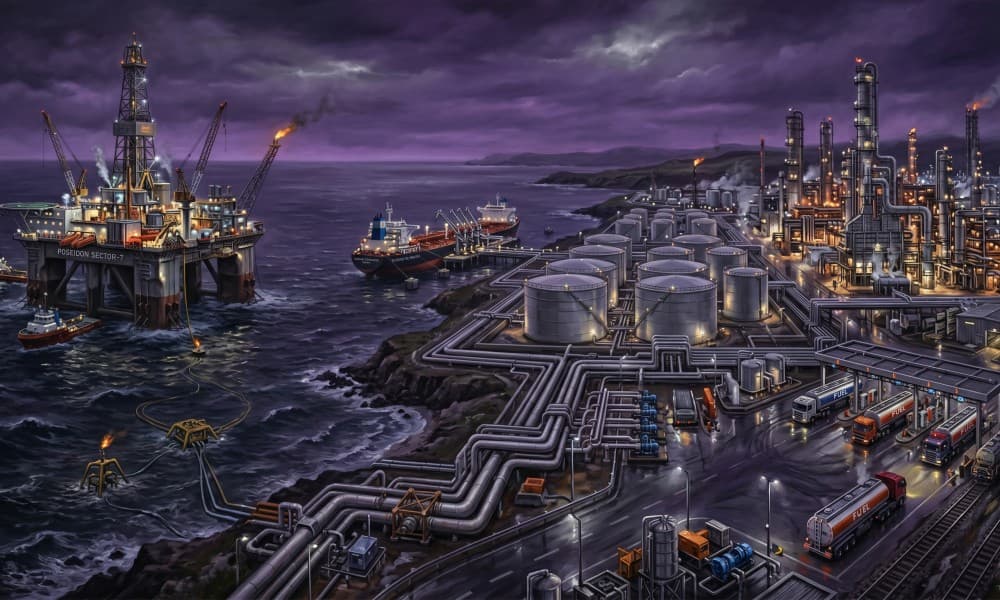
The upstream, midstream, and downstream sectors are the three main stages of the oil and gas industry. Each stage of them includes different principal operations. Upstream focuses on exploration and production, midstream creates transportation and storage activities, while downstream involves refining, processing, and delivering petroleum and gas products to consumers and commercial markets worldwide.
What Is Upstream?
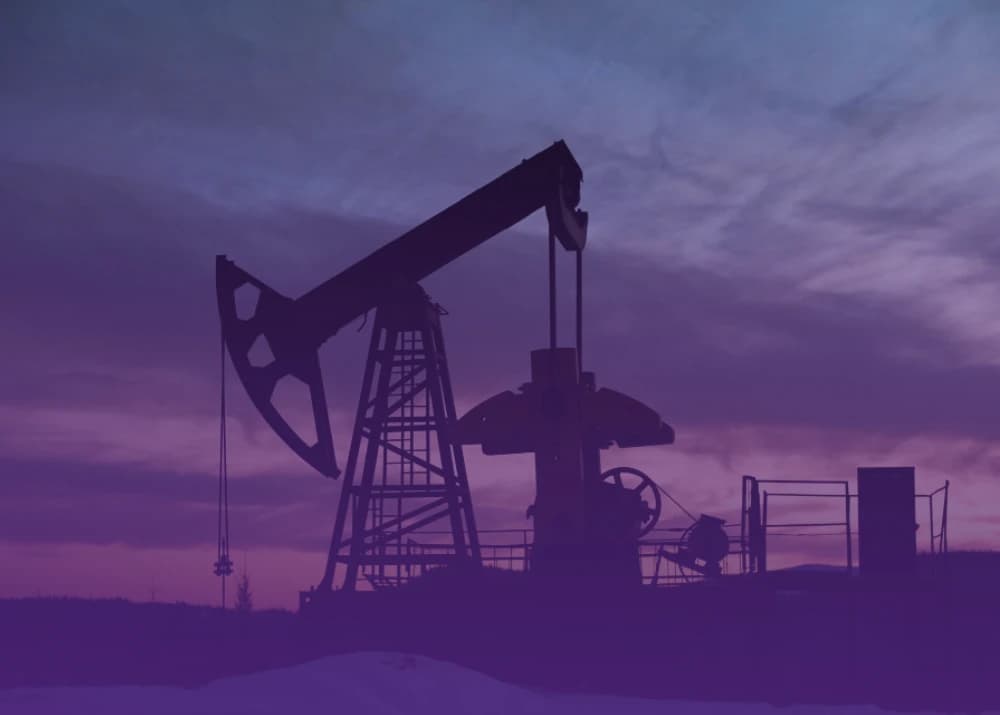
The upstream segment includes all the exploration and production in the oil and gas field. Roles of upstream companies include searching for underground or offshore energy resources, drilling wells, and extracting crude oil and raw natural gas. It’s considered the most exploration-intensive and high-risk segment within the petroleum value chain globally.
Upstream Operations:
- Geological Surveys:
Starting with analyzing underground rock formations to identify locations with potential oil and natural gas reserves.
- Seismic Testing:
Using sound waves and imaging technology to map subsurface structures and details before drilling operations begin, and facing challenges.
- Drilling Exploratory Wells:
Exploratory wells are drilled to confirm the real presence, quantity, and commercial viability of oil and gas in that location.
- Operating Production Wells:
This operation involves extracting oil and natural gas from production wells continuously.
Success in the oil and gas industry begins with understanding the full journey — from exploration to energy delivery.
Explore MoreWhat Is Midstream?
The midstream segment in the oil and gas industry refers to the transportation, storage, and processing stage. The midstream financial concepts were built around connecting upstream production sites with downstream refineries and distribution networks. Midstream businesses mainly manage pipelines, storage, and transportation systems for crude oil and natural gas.
Midstream Operations:
- Cleaning Raw Natural Gas:
The principal practice of this midstream operation is to remove water, sulfur, and impurities before transportation or storage.
- Transporting Crude Oil and Gas:
Companies transport crude oil and natural gas in the midstream stage through a network of pipelines, tankers, and trucks to storage or processing facilities.
- Storing Oil and Gas:
Storage facilities hold crude oil and natural gas temporarily in the midstream process to balance supply, demand, and market distribution needs.
What Is Downstream?
Downstream refers to the refining, processing, marketing, distribution, and fragmentation stage of the oil and gas industry. The downstream practice is the transformation sector where crude oil and natural gas are refined into usable products like gasoline, diesel, jet fuel, lubricants, and petrochemicals before supplying them to businesses and consumers through retail and industrial networks worldwide.
Downstream Operations:
- Refining Crude Oil:
Refineries process crude oil into valuable fuels and petroleum products through heating, separation, and chemical conversion techniques.
- Processing Natural Gas:
Natural gas processing separates usable gases and liquids for residential, industrial, and commercial energy applications worldwide.
- Distributing Products to Consumers:
After refining and processing, the downstream businesses distribute fuels and petroleum products to consumers through stations, pipelines, retailers, and export networks with efficient cost control strategies.
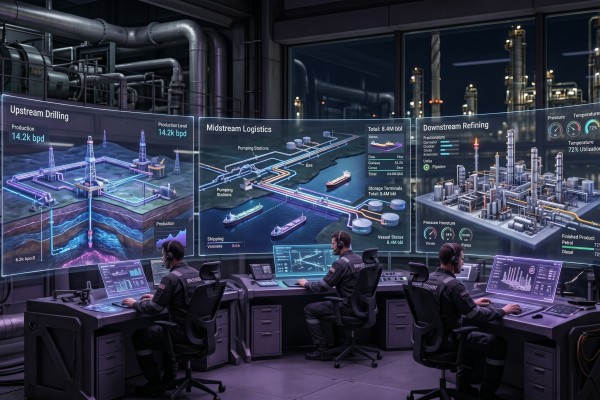
Upstream vs Midstream vs Downstream: Key Differences
After all these details, it’s time to get some direct and easy-to-understand details about upstream, midstream, and downstream operations in the oil and gas industry, including their impact on corporate treasury management.
Why Are These Oil and Gas Sectors Important?
The upstream, midstream, and downstream sectors are the core pillars of the industry because they ensure energy resources move efficiently from exploration to end users. With professional oil and gas training courses, you’ll understand that together, upstream, midstream, and downstream support fuel production, industrial operations, transportation systems, economic growth, and global energy security while creating employment opportunities and maintaining stable energy supply chains worldwide without challenges.
Final Thoughts,
The upstream, midstream, and downstream operations cover exploration, transformation, transportation, refining, and production of crude oil and natural gas to get the final deliverable outcome and empower all other industries and businesses around the world.
Attending professional oil and gas training will not only get you an accredited certificate and empower your skills but also boost your career significantly.
Posted On: May 21, 2026 at 07:23:34 PM
Last Update: May 21, 2026 at 07:29:32 PM
Upstream explores and produces oil and gas, midstream transports and stores resources, while downstream refines and distributes finished petroleum products.
The three stages are upstream exploration and production, midstream transportation and storage, and downstream refining and product distribution operations.
Identify activities involved: exploration belongs to upstream, transportation and storage belong to midstream, while refining and sales belong to downstream.
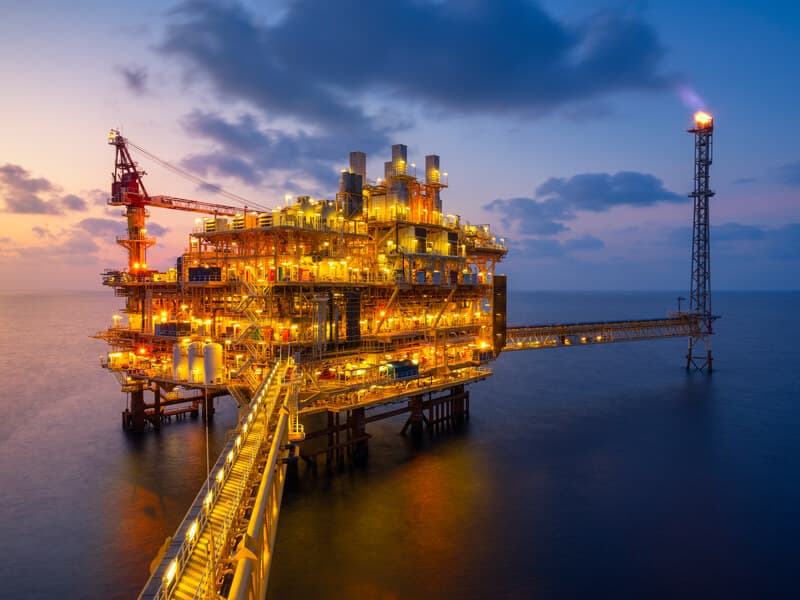
Upstream operations can be both onshore and offshore, depending on where oil and natural gas reserves are located.