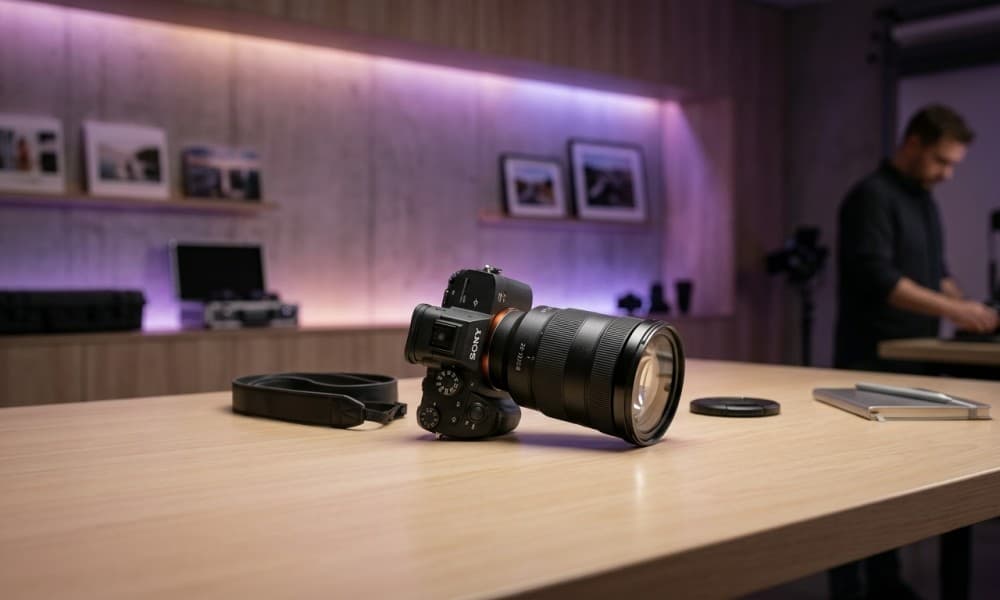
Essential Photography Skills and Techniques Every Beginner Should Learn
Photography skills are the essential foundation that transforms a casual snapshot into a powerful, intentional image. For beginners, the most significant breakthrough comes from understanding how a camera controls light, motion, and clarity—without needing expensive equipment. By mastering exposure, intentional framing, and lighting techniques, you gain complete creative control and turn every shoot into a deliberate, rewarding experience.In This Article
Quick links to sections in this article.
Photography skills are the practical tools that turn a quick snapshot into an intentional image. For a beginner, the biggest leap comes from understanding how a camera handles light, movement and sharpness, then using those controls with confidence. For anyone exploring photography for beginners in the UAE, expensive camera gear is not the starting point. A clear grasp of exposure, composition and lighting matters far more. Add regular practice and you begin to see exactly what changes the result. From bright city streets to fast-moving events, the right foundations give you creative control and make every shoot feel more deliberate.
Master Photography Skills with the Exposure Triangle
Photography for beginners gets much easier once you understand the three core controls that shape brightness and the visual character of an image. Learn how they work together and you stop guessing and start choosing. These photography skills become easier to apply once you see how the three settings work together.
Aperture controls how much light enters through the lens and influences depth of field. A wide opening can separate a portrait from the background, while a narrower opening can keep more of an architectural scene sharp. Shutter speed controls how movement appears, from frozen action to intentional blur. ISO helps when conditions get darker, although higher values can add visible noise.
For a beginner, the fastest exercise is simple: photograph one subject several times while changing only one control. Compare the results on a larger screen. You will quickly see how small technical choices create very different moods.
Great photography is not about owning the latest camera gear; it is about seeing the light, mastering the controls, and framing the moment with purpose.
Start Now!Learn the Camera Settings That Give You Control
Modern equipment can automate almost everything, but understanding camera settings puts the creative decision back in your hands. Start with a semi-automatic priority mode, then move into manual mode when you can predict what a change will do. These photography skills give you more control over the final look of the image.
Focus deserves equal attention. A single autofocus point suits a still subject, while continuous tracking is useful for movement. Exposure compensation is another quick win because it lets you brighten or darken a frame without rebuilding every setting.
This is when beginner photography starts to feel exciting. Instead of accepting what Auto gives you, you can decide whether a scene should look crisp, dramatic, bright or intentionally moody.
Frame the Scene with Intention
Strong framing gives the viewer somewhere to look. The rule of thirds is a useful starting point, but it is only one tool. Look for leading lines, symmetry, negative space, repetition and natural frames that create direction without making the image feel crowded. These photography skills help you guide attention more deliberately within the frame.
According to Impact of Leading Line Composition on Visual Cognition: An Eye-Tracking Study, leading lines significantly influenced attention to key elements and were associated with longer viewing and stronger aesthetic ratings when a clear subject was present. That matters because visual structure helps control how someone experiences a photograph.
Understanding composition photography also means knowing when to simplify. If the background competes with your subject, move, change the angle or get closer. Some of the strongest photography techniques come from removing distractions rather than adding more.
Make Lighting Work Before Buying More Equipment
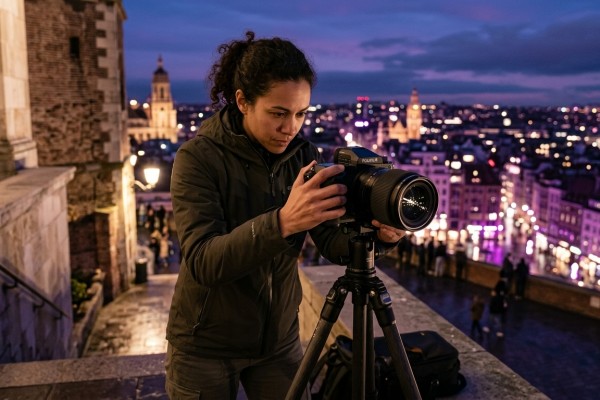
Great lighting can transform an ordinary setup. Before changing lenses or buying accessories, study where the light comes from, how hard it is and what it is doing to the subject. Developing photography skills with light can improve results before you add any new equipment.
In the UAE, midday sun can create intense highlights and deep shadows. Early morning and late afternoon often provide softer natural lighting, while open shade can make portraits easier to control. Indoors, a window can become a simple training tool for direction and contrast.
One of the most useful photography tips is to move first. Turn the subject, shift your position or step into shade. Small changes can completely reshape the scene without adding anything to your kit.
Practise Techniques in Real Situations
Photography techniques stick when you use them with a purpose. Give yourself short assignments instead of taking hundreds of random frames. Photograph movement at a sporting event, reflections around the city, architecture near sunset or a portrait beside a window. Practising photography skills in real situations also makes each decision feel more natural.
Try one shoot with a fixed focal length so you have to move rather than zoom. On another day, photograph only shadows, patterns or strong lines. These exercises sharpen visual decision-making and make your skills more flexible.
Add a five-minute review after every assignment. Pick three frames that worked and three that did not, then ask what changed: your position, timing, background, subject distance or choice of lens. This quick habit turns every shoot into useful feedback. Keep a simple note of what changed, so your next session begins with a clear experiment instead of another round of guesswork.
In a place as visually varied as the UAE, you can repeat the same exercise in a shaded street, an indoor event and an open outdoor space to see how different conditions change your decisions.
The idea behind continuous learning as a career survival skill applies to creative work too. Focused repetition makes technical decisions faster, leaving more mental space for timing, expression and story.
Edit to Learn, Not to Rescue Every Shot
Post-processing is part of a modern workflow, but it works best as a finishing stage. Start with crop, brightness, contrast and white balance. Avoid relying on heavy edits to fix weak framing or missed sharpness. Strong photography skills are easier to refine when editing becomes part of the learning process.
Editing is also feedback. If every image needs major brightening, revisit how you read the scene. If you keep cropping aggressively, rethink your position before pressing the shutter.
That feedback loop is powerful. You recognise problems earlier, make cleaner decisions in-camera and spend less time repairing avoidable mistakes later.
Build Photography Skills Through Focused Practice
To learn photography faster, choose one skill for each shoot, review the results and decide what you would change next time. A focused 30-minute exercise can teach more than an unfocused afternoon with no goal.
For learners in the UAE, courses in Dubai that deliver practical skills can add structure and direct feedback. The Path to Photography course gives learners a route to turn technical knowledge into confident practical decisions.
Professionals balancing development with work can also explore short courses in Dubai for professionals. Guided learning can keep your momentum high because every practice session has a clear objective and feedback arrives before weak habits become permanent.
Conclusion
The strongest photography skills come from a surprisingly compact foundation: understand light, control the essential settings, frame deliberately and review what worked. Those habits make more advanced work much easier to learn later.
You do not need to master everything at once. Build one habit, test it in a real situation and then move to the next. Once the technical choices become familiar, image-making feels less like operating a device and more like shaping a scene exactly the way you want it.
Posted On: September 30, 2026 at 06:29:47 PM
Last Update: September 30, 2026 at 06:29:47 PM
Start with light control, sharpness and framing. Once those foundations feel familiar, move into more advanced controls and creative choices.
Aperture, shutter speed and ISO form the exposure triangle. Together, they influence brightness, motion, image noise and background separation.
Yes, but not immediately. Semi-automatic modes can help you understand one variable at a time before you take full control.
Blur usually comes from subject movement; camera shake or missed focus. Check your shutter choice and autofocus before assuming the equipment is the problem.
Choose one that is comfortable, easy to carry and lets you control the main settings. A professional model is not necessary for learning.
JPEG is simpler and ready to share. RAW stores more image data and gives you greater editing flexibility, but it requires processing.
Work on light, timing, viewpoint and subject placement. Better technique usually creates a bigger early improvement than buying more equipment.
Use leading lines, symmetry, negative space and simple framing to guide attention. Treat them as creative tools rather than rigid rules.
Yes. A phone can teach framing, light, timing and visual storytelling. A dedicated model becomes useful when you want more control over lenses and settings.
Short, regular sessions work well. Give each session one goal, review the results and repeat the exercise until the choice starts to feel natural.
Articles You Can’t Miss
Handpicked content to fuel your curiosity.