Essential Media Skills Every PR Professional Should Develop
In today’s fast-moving PR landscape, having a great story isn’t enough, you need to know how to communicate it effectively. From speaking with journalists to handling interviews and creating digital content, strong media skills can make your message more powerful and memorable.In This Article
Quick links to sections in this article.
Did you ever have a strong story, a great client, and an important announcement? But when the journalist calls, can you confidently explain your great story in 30 seconds? Can you handle a difficult question on camera? Can you turn a complex message into something different audiences can understand?
This is why developing media skills is vital to communicate effectively across journalists, interviews, social platforms, videos, and other media channels.
Let’s explore everything about media skills, why they’re essential in modern PR, the key PR skills, how to improve them, and best techniques to learn them.
Media Skills: Quick Recall
1. Media writing & storytelling.
2. Media relations & journalist communication.
3. Interview & media training skills.
4. Public speaking & presentation skills.
5. Digital & social media skills.
6. Visual & video communication skills.
7. Media monitoring & crisis communication.
In public relations, a compelling story opens the door, but refined media skills give you the grace, poise, and precision to truly capture the world's attention.
Elevate PRWhat Are Media Skills in Public Relations?
Media skills in public relations are the capabilities professionals use to create, present, and communicate messages creatively across different media channels. These skills usually include writing, storytelling, interviewing, public speaking, digital communication, and media monitoring, helping PR professionals connect with audiences, build credibility, and manage public perception effectively.
Why Media Skills Matter in Modern PR?
Modern PR goes beyond simply communicating with journalists. Professionals must understand how media works online and offline, create compelling content, present messages confidently, adapt information for different platforms, and engage audiences effectively. Strong media skills help PR professionals build trust, protect reputations, and improve customer relationships.
7 Essential Media Skills Every PR Professional Should Develop:
The main media skills all leaders need include media writing and storytelling, PR and communication, interviewing, presentation, games, social media, and visual skills to improve communication and PR outcomes.
1. Media Writing & Storytelling:
Great PR writing turns complex information into clear and engaging stories. Develop your ability to write press releases, pitches, and compelling narratives that capture attention and communicate your message effectively.
2. Media Relations & Journalist Communication:
Building relationships with journalists takes research, timing, and clear communication. Learn to pitch relevant stories, respond professionally, and provide reliable information that helps journalists do their jobs.
3. Interview & Media Training Skills:
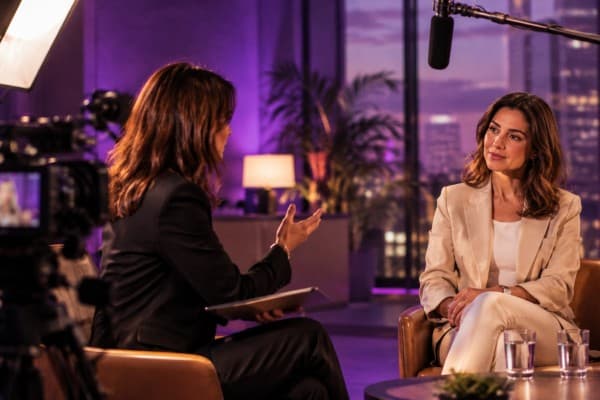
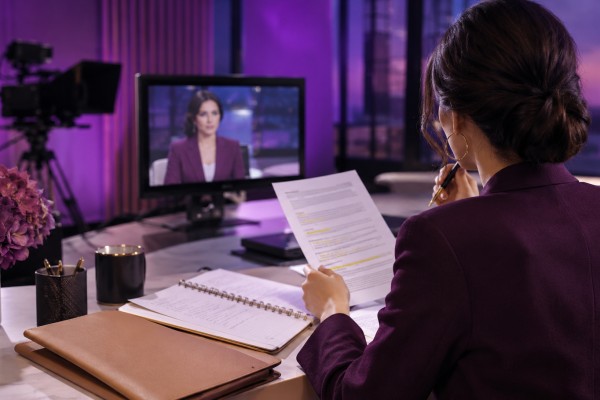
Can you stay calm under pressure? Interview skills help PR professionals answer challenging questions, deliver key messages, and prepare spokespeople for confident and credible media appearances.
4. Public Speaking & Presentation Skills:
Whether presenting to internal or external stakeholders or addressing an audience, having strong public speaking skills helps you explain ideas clearly, maintain engagement, and deliver messages with impact.
5. Digital & Social Media Skills:
Today's PR professionals need to understand digital platforms, have digital marketing knowledge, and recognize audience behavior. Learn to create platform-specific content, engage online communities, and communicate consistently across social media channels.
6. Visual & Video Communication Skills:
Visual content always wins, especially in today’s world, it can make messages easier to understand and remember. Develop skills in creating videos, selecting effective images, and adapting visual stories for different platforms and audiences.
7. Media Monitoring & Crisis Communication:
Monitoring media coverage helps PR professionals spot emerging issues, understand public sentiment, and respond quickly. Strong crisis communication skills support timely, accurate messaging when an organization’s reputation is at risk.
How Can PR Professionals Improve Their Media Skills?
Improving media skills should follow a clear strategy including practicing, studying, reviewing, implementing, and getting feedback to learn by experience.
Practice Answering Media Questions:
Just like leadership skills, media skills also require good preparation for interviews by answering common and challenging media questions out loud. Practice staying calm and keeping answers concise without sounding like you’re rehearsed.
Study Successful Media Interviews:
This is actually a great technique, watching interviews with experienced spokespersons and PR professionals will help you notice their tone, body language, and responses to difficult questions, then apply those techniques to your own practice.
Practice Writing Under Time Pressure:
Set a timer and write short press releases, media pitches, or news summaries. Keep in mind that you need to deliver the information without sounding nervous or in a rush while prioritizing important details.
Get Feedback:
Consider getting professional consultation from known mentors or experienced trainers to review your writing, presentations, and interview responses. Constructive feedback helps you identify weaknesses, build confidence, and make remarkable improvements in your media skills.
Can Media Skills Be Learned?
A big yes, you can for sure learn with a quality public relations and media skills course. This is actually vital to gain real experience in modern techniques and effective strategies and be able to convince your audience of what you want. The key skills to consider learning in PR and media are:
- Media interviewing.
- Public speaking.
- Storytelling.
- Media writing.
- Presentation.
- Crisis communication.
Build the Media Skills You Need for a Stronger PR Career
Developing your media skills is vital not only to know how to talk in public events and press releases, but also to empower your career and know how to set clear growth strategies based on your goals and market requirements.
Consider quality PR and media training courses with accredited certifications to have a quality learning experience and master the required media skills.
Posted On: November 16, 2026 at 09:59:19 PM
Last Update: November 16, 2026 at 10:03:24 PM
Media skills are the abilities PR professionals use to communicate effectively with journalists, media outlets, and audiences. They include media relations, storytelling, interview techniques, digital communication, and crisis management.
Key media skills include effective communication, media relations, writing, storytelling, public speaking, social media management, research, and crisis communication.
Media skills help PR professionals build credibility, maintain relationships with journalists, communicate brand messages clearly, and respond effectively to challenging situations.
You can improve your media skills by practicing press release writing, preparing for interviews, following media trends, analyzing news coverage, and seeking constructive feedback.
Yes, professional training can help learners develop media communication, writing, interview, and crisis management skills through guided instruction and practical activities.
Articles You Can’t Miss
Handpicked content to fuel your curiosity.